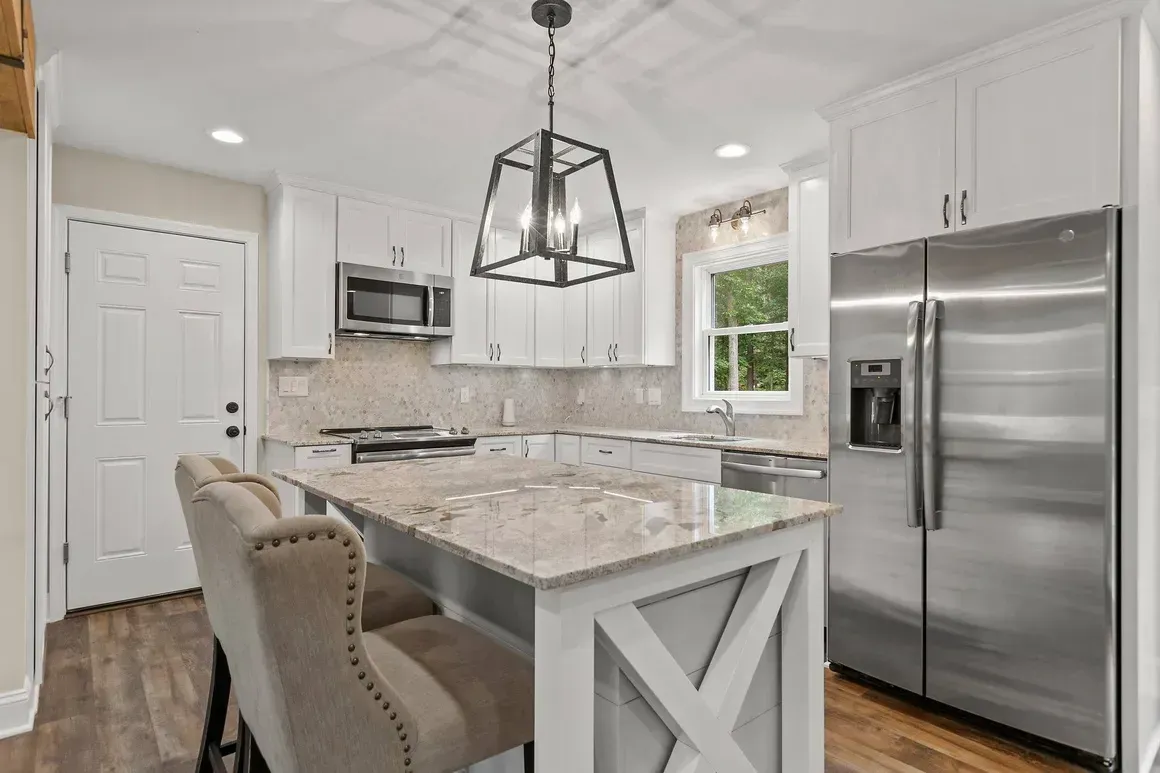
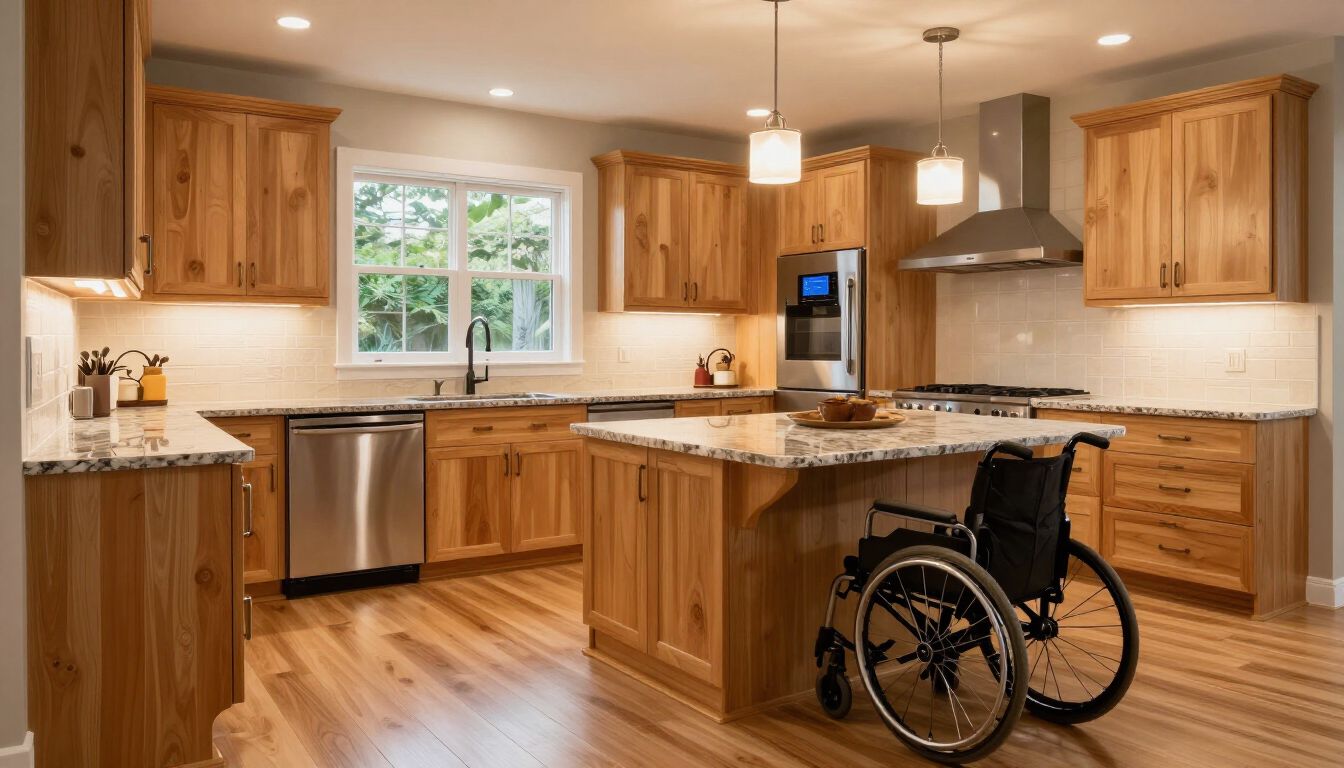
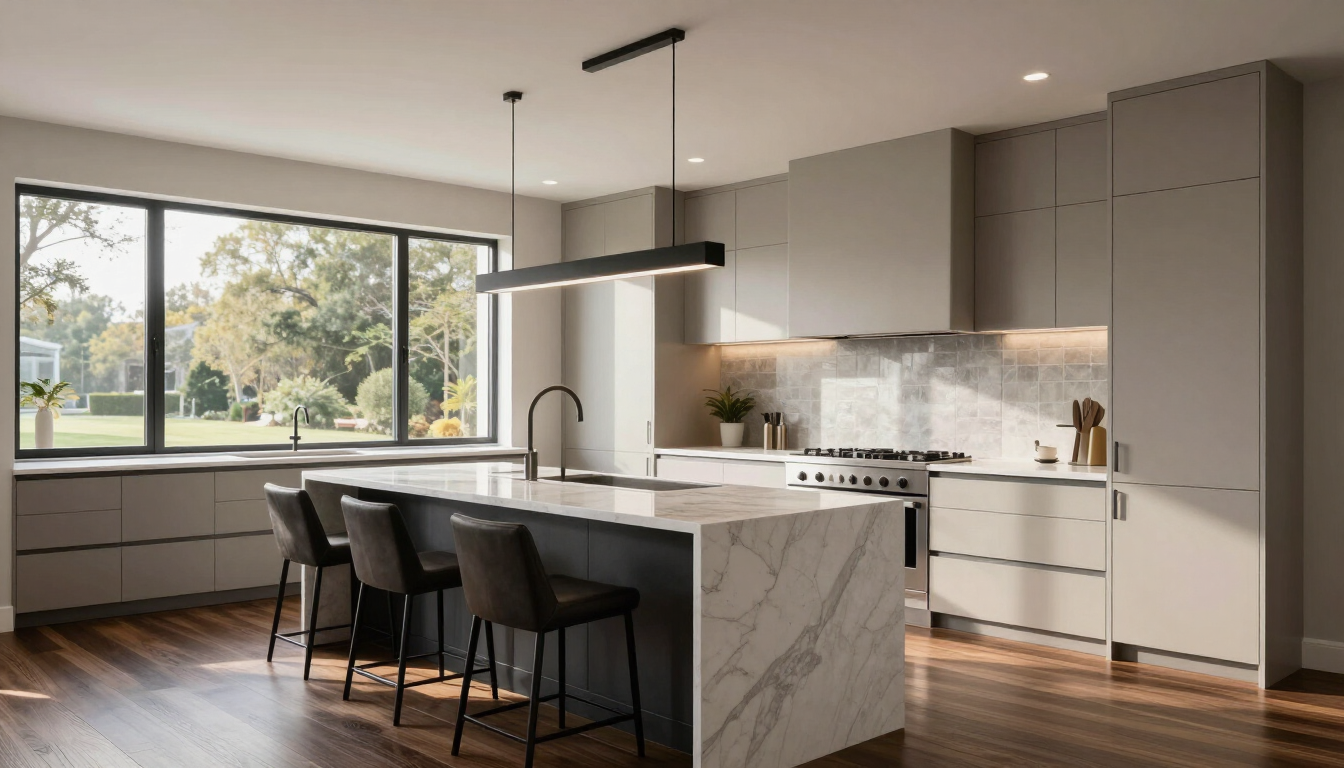
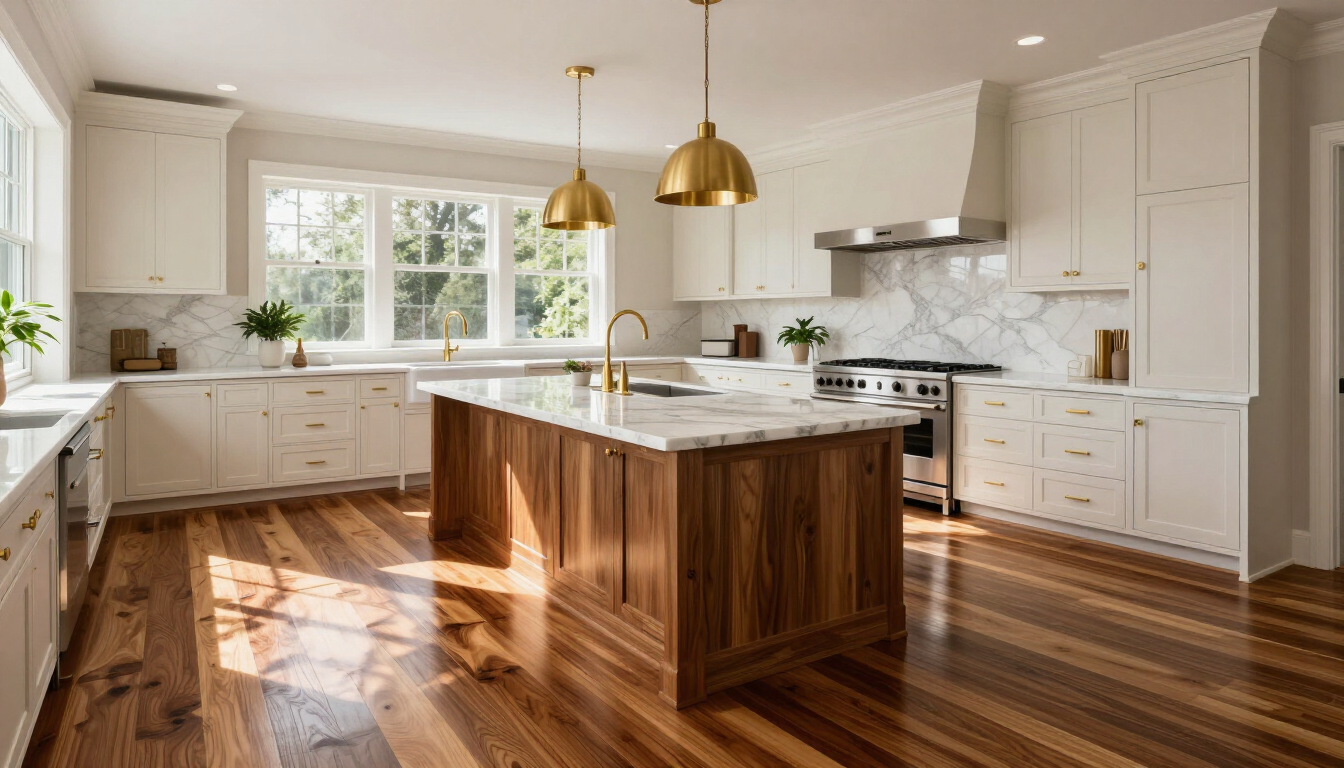
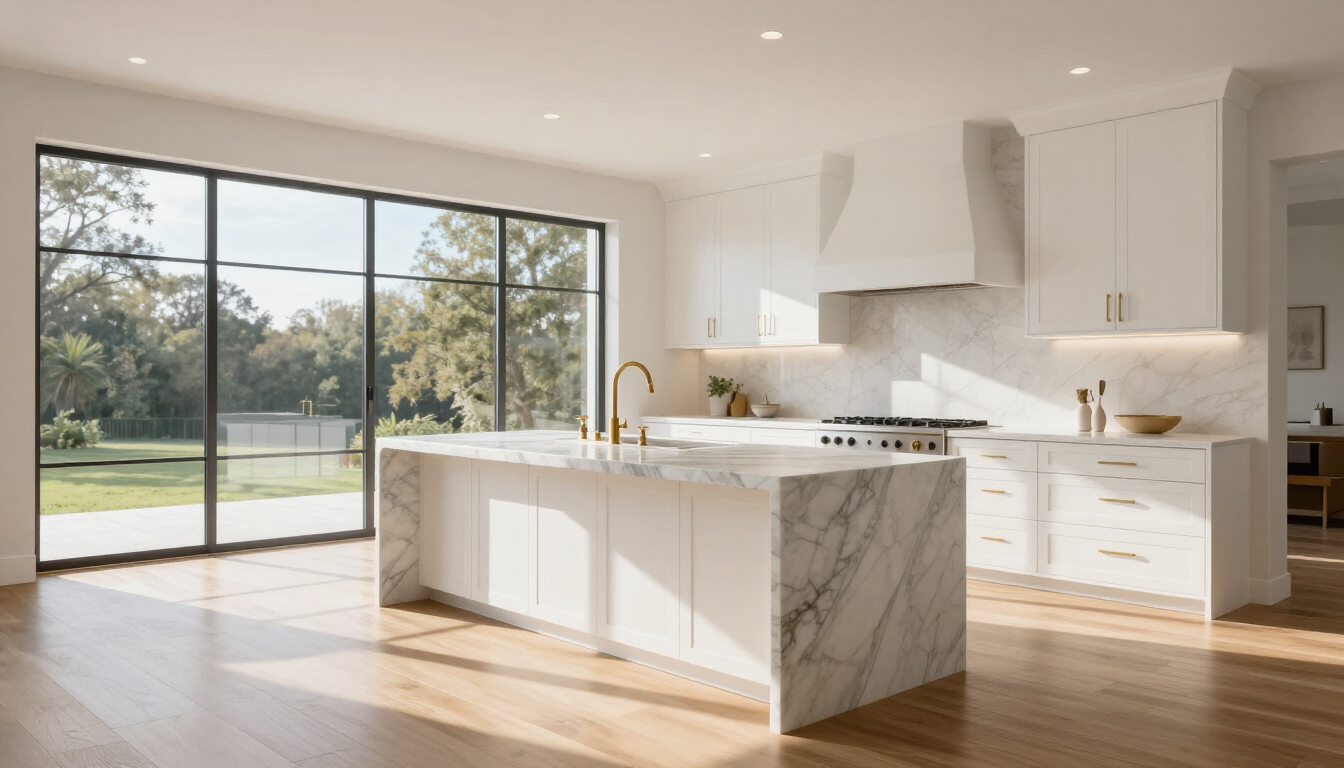
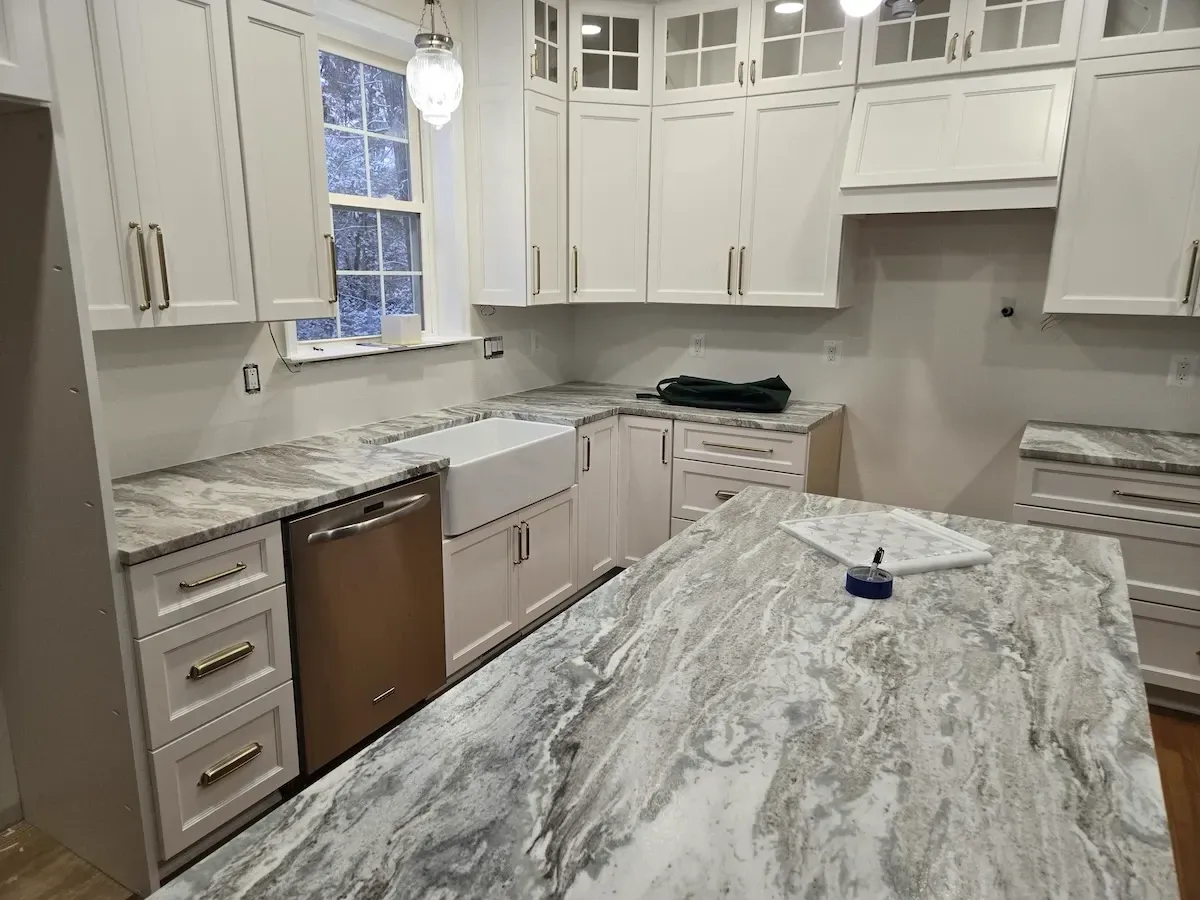
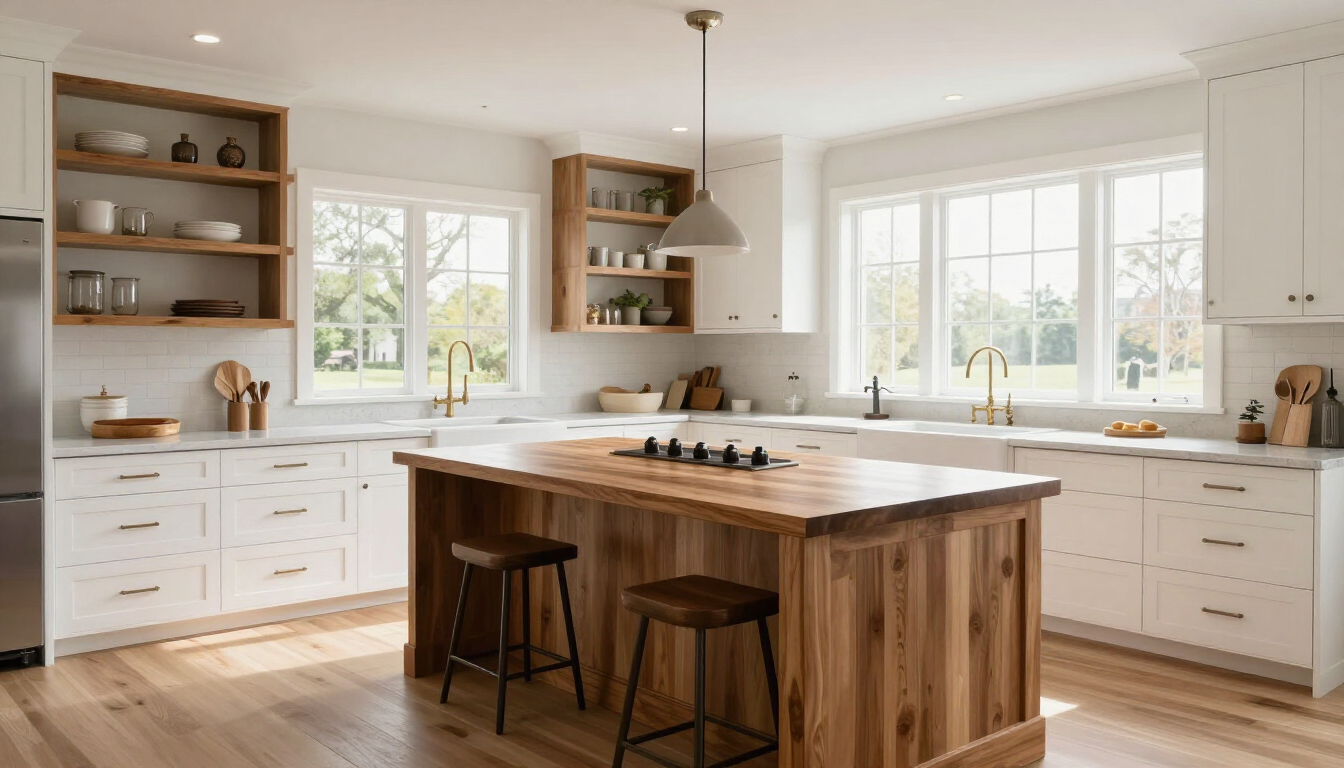
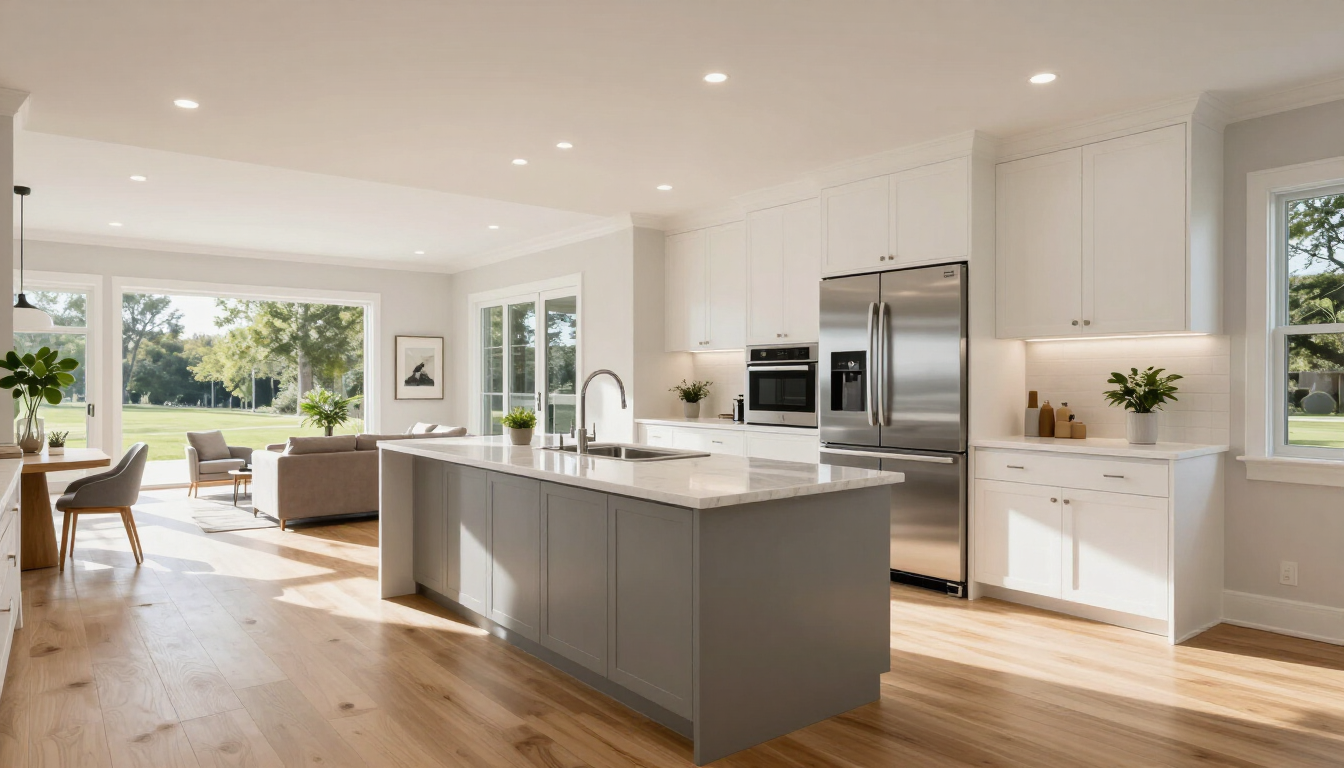
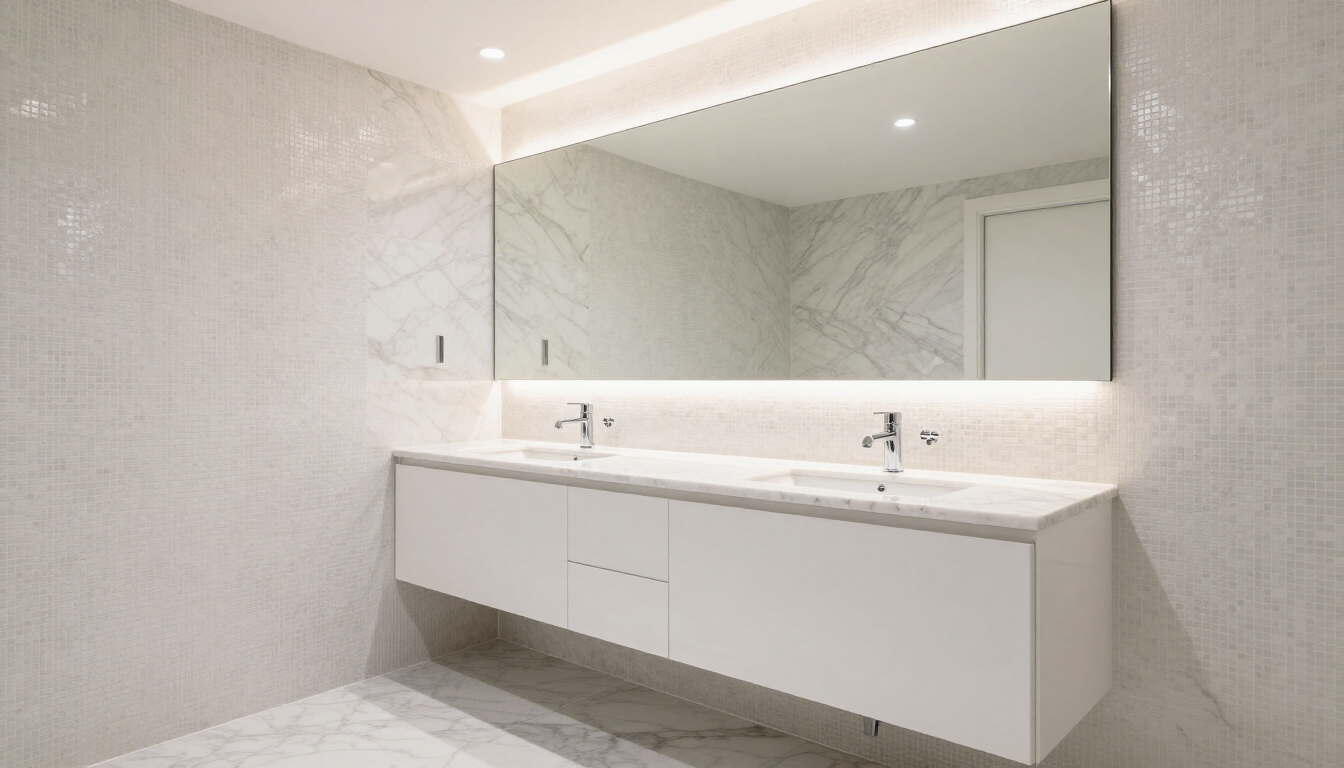
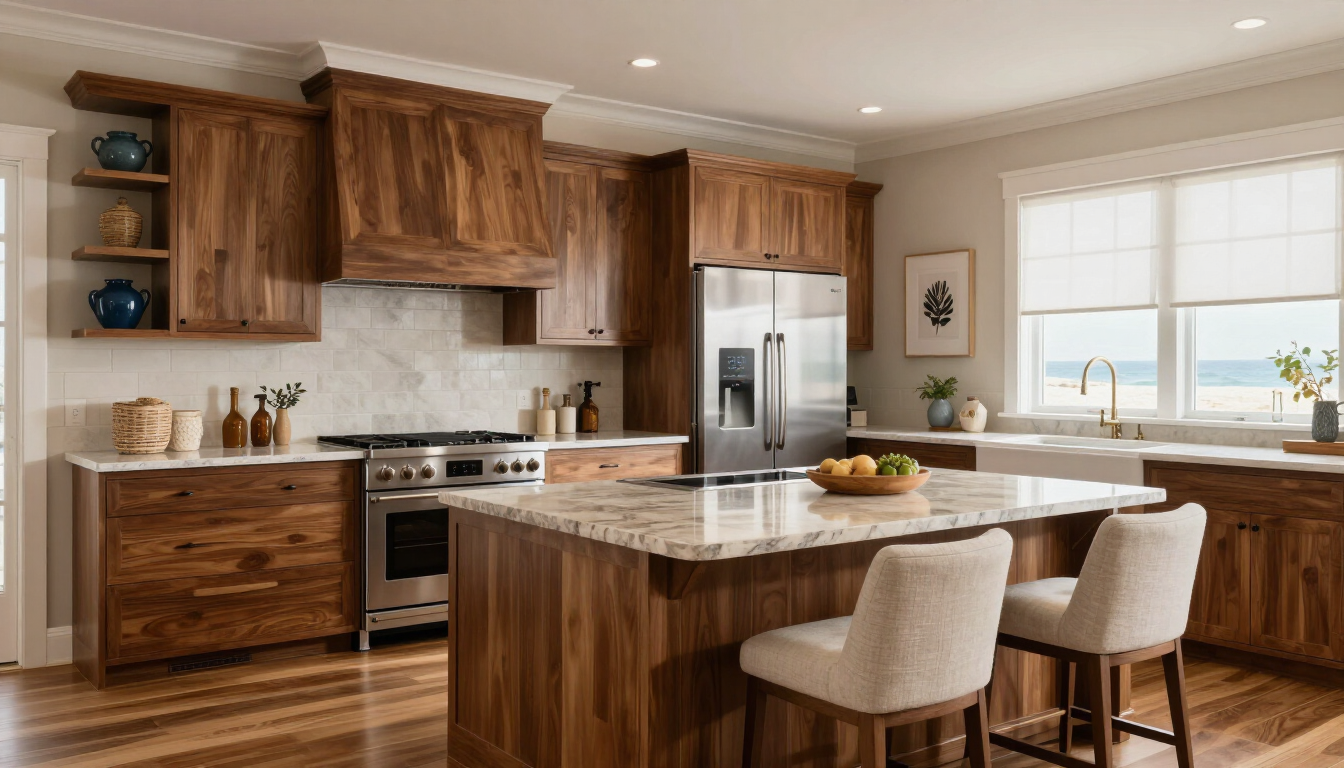
A successful kitchen remodel begins long before any hammer hits the wall—it starts with a robust plan. Taking a step back to map out every detail not only maximizes your design vision but also minimizes costly errors and surprises later on. In this section, you’ll discover how a well-organized blueprint can transform your project from chaotic to coordinated.
Focus on key elements such as:
- Budget Planning: Establish and prioritize your spending to avoid overshooting your financial targets.
- Design Vision: Clarify your style and functional needs to create a layout that works for your lifestyle.
- Project Timeline: Outline each phase to keep your remodel on track.
- Space Utilization: Assess how your current kitchen functions and where improvements are necessary.
With these planning essentials, you’ll be equipped to navigate the complexities of your remodel confidently and efficiently. Whether you’re enhancing a historic space in a bustling downtown area or upgrading a family home in a suburban neighborhood, early-stage planning is the best investment in achieving a flawless and fulfilling kitchen transformation.
Assess and Define Your Kitchen’s Potential
Begin your journey by taking a clear-eyed look at your current kitchen layout. A thorough assessment is the cornerstone for a successful remodel. Start by identifying areas that need improvement and those that work well.
- Walk through your kitchen: Measure dimensions, note counter space, storage, and traffic flow. Evaluate how well the space currently accommodates your daily activities.
- List your needs: Write down what you’d like to change or add—be it more cabinets, updated appliances, or improved lighting.
- Prioritize features: Determine which modifications will have the most impact. Consider factors like energy efficiency, ease of maintenance, and aesthetic appeal.
- Sketch your ideas: Create simple diagrams to visualize potential layout changes. This is especially useful when planning for custom cabinetry or adjustments that complement existing architecture.
- Set realistic goals: Establish a budget and timeline. Local homeowners often benefit from aligning their vision with the practical realities of the space.
These actionable steps empower you to move forward confidently. Embrace a hands-on approach, ensuring that every detail supports a smart, locally relevant transformation that meets both your lifestyle and design aspirations.
Trending Innovations Redefining Your Kitchen Space
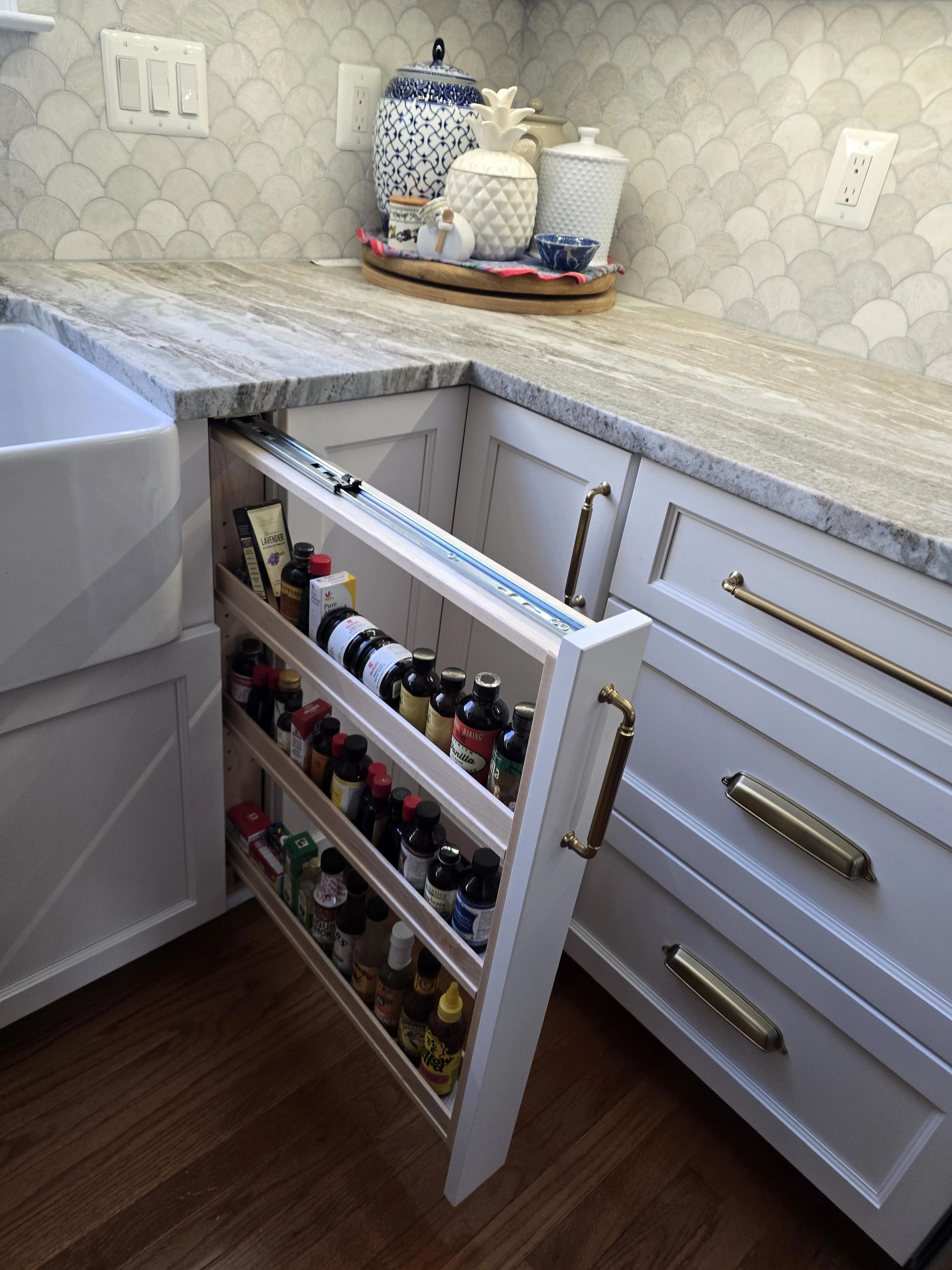
The latest design trends are revolutionizing kitchen functionality and aesthetics, creating spaces that are as practical as they are visually appealing. Modern kitchens now incorporate streamlined layouts, sustainable materials, and versatile features that enhance everyday living. Homeowners are opting for open-concept designs that improve flow and connectivity between the kitchen and adjacent living areas, often integrating cutting-edge storage solutions that maximize space.
Key trends include:
- Multifunctional islands: Serving as prep areas, dining spots, and social hubs.
- Smart technology: Integrated appliances and automated lighting systems that boost efficiency.
- Eco-friendly materials: Durable, recycled countertops and energy-efficient fixtures.
- Local craftsmanship: Emphasizing custom cabinetry in neighborhoods across the region for unique, locally-inspired touches.
These design ideas not only elevate the visual appeal of your kitchen but also address practical challenges such as improving workflow and optimizing storage. With carefully planned layouts and innovative features, you can transform your kitchen into a space that reflects modern living while meeting your functional needs.
Smart Budgeting Strategies for a Successful Remodel
A well-planned budget is the cornerstone of a smooth kitchen makeover. Start by setting clear priorities and defining your must-have elements versus nice-to-have extras. When establishing your spending limit, consider all costs including materials, labor, and any unexpected expenses that may arise during construction.
To keep your remodel on track:
- Break Down Expenses: Categorize your budget into sections such as cabinetry, countertops, lighting, and labor. This method prevents overspending in one area while underestimating another.
- Include a Contingency Fund: Allocate around 10-15% of your overall budget for unforeseen issues. This cushion helps manage surprises without derailing your project.
- Research Local Pricing: Understand the market rates in your area by checking local suppliers and contractors. This ensures you stay competitive and avoid premium charges common in densely populated regions.
- Plan Payment Phases: Schedule payments in stages, aligning costs with project milestones. This approach offers greater control over the budget and minimizes financial strain.
By approaching your remodel with these practical budgeting techniques, you pave the way for a stress-free renovation that brings your vision to life without unexpected financial hurdles.