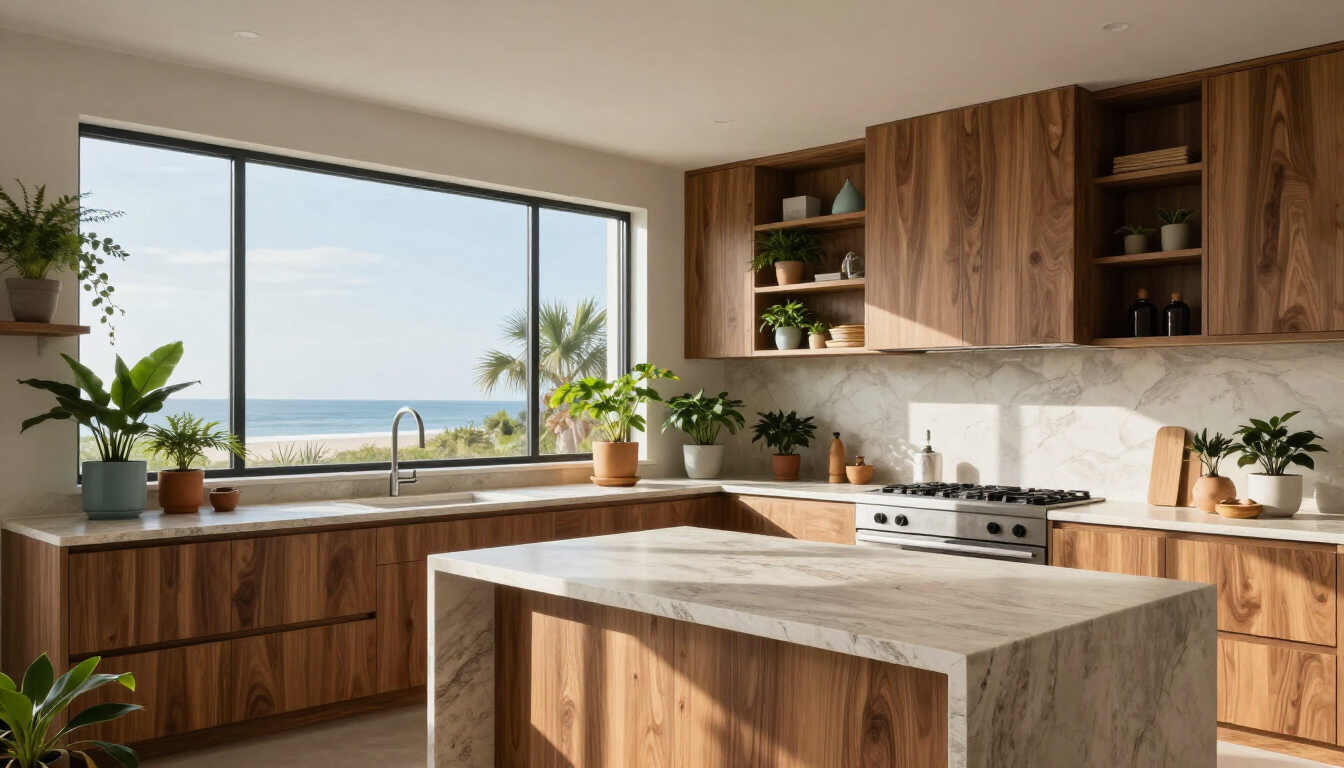
Open-Concept Kitchens: Should You Remove a Wall?
An open-concept kitchen is a layout that eliminates walls between the kitchen and adjacent living or dining areas to create a singular, expansive Great Room. This design maximizes natural light and social flow. Before proceeding, homeowners must evaluate structural load-bearing requirements, budget for utility relocation, and ensure cohesive design across the space.
What is an Open-Concept Kitchen Layout?
The term "open-concept" has become a staple in modern residential architecture, particularly for homeowners looking to modernize older, segmented houses. In a traditional floor plan, the kitchen is often a closed-off room designed strictly for utility—cooking and cleaning. An open-concept kitchen, however, merges the culinary workspace with the social zones of the home, such as the dining area and the living room.
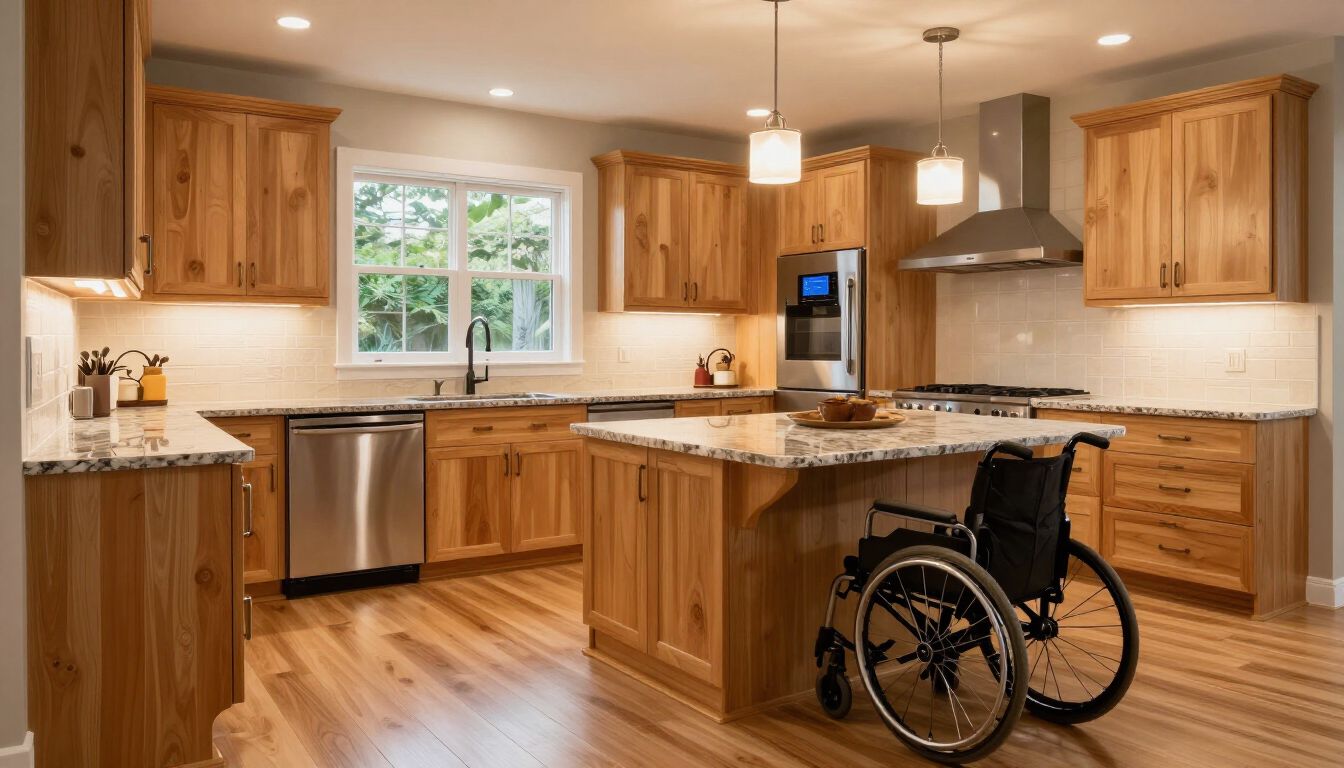
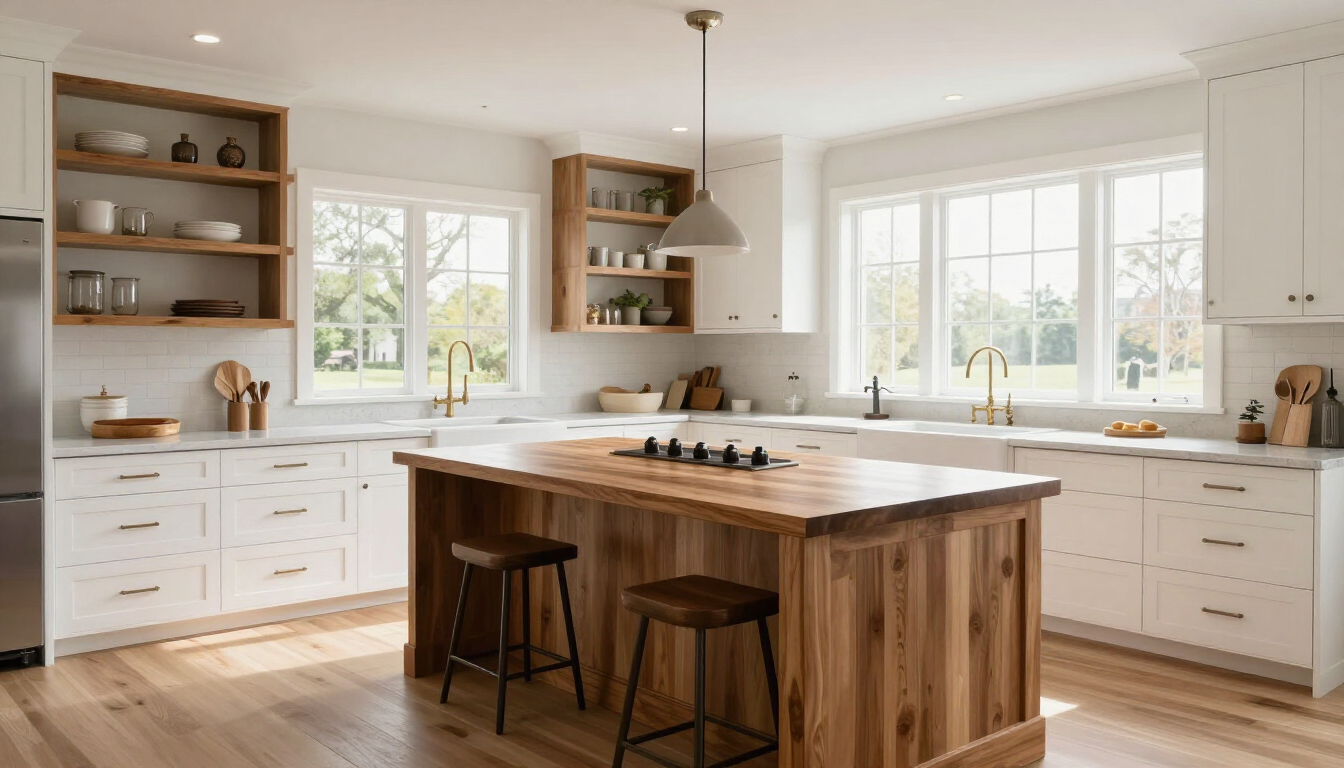
By removing physical barriers, the kitchen transforms into a multi-functional hub. This layout is characterized by the absence of full-height walls, allowing for a line of sight that extends across the entire main level of the home. It often utilizes large central islands to define boundaries without closing off the space. For many families in Southern Maryland, this shift reflects a move toward more informal, communal living where the person preparing the meal can remain part of the conversation happening in the family room.
Implementing this design often requires a full kitchen remodel to ensure that the newly exposed areas feel intentional and aesthetically consistent. From a functional standpoint, it requires a rethink of how odors, noise, and storage are handled, as the kitchen is now on display for everyone in the living area to see.
Benefits of Removing a Wall for an Open-Concept Kitchen
Removing a wall to create an open-concept space offers several transformative benefits that go beyond simple aesthetics. For many, the primary motivation is the dramatic increase in natural light. When interior walls are removed, light from windows in the living and dining rooms can reach the kitchen, making the entire home feel brighter and more inviting.
- Enhanced Social Interaction: Whether hosting a holiday dinner or helping kids with homework while preparing a meal, the lack of walls fosters connection.
- Improved Traffic Flow: Removing a wall eliminates bottlenecks during gatherings, allowing guests to move freely between the food prep area and seating zones.
- Increased Property Value: Modern buyers overwhelmingly prefer open layouts, making this a high-ROI home renovation .
- Better Sightlines: Parents can keep an eye on children or pets in the living room while working in the kitchen.
- Perceived Spaciousness: Even a small home can feel significantly larger when the boundaries between rooms are dissolved.
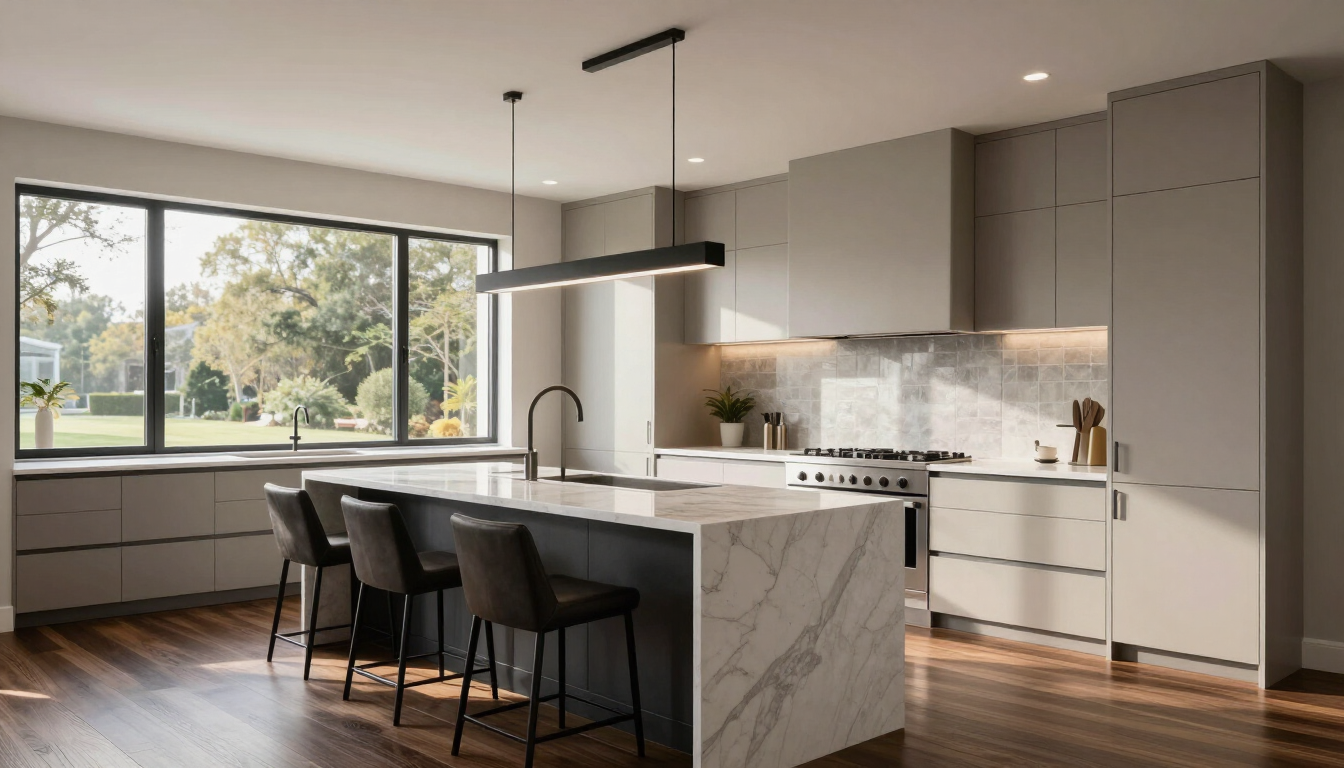
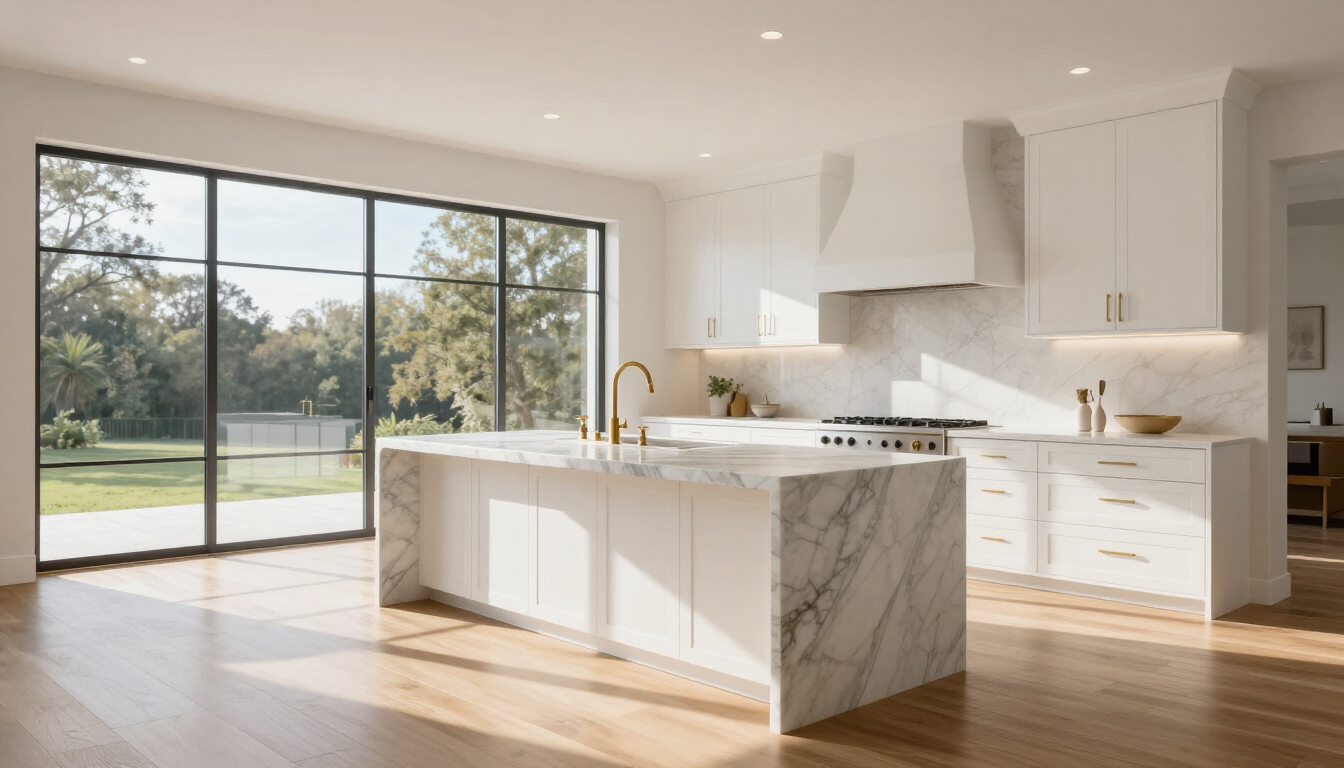
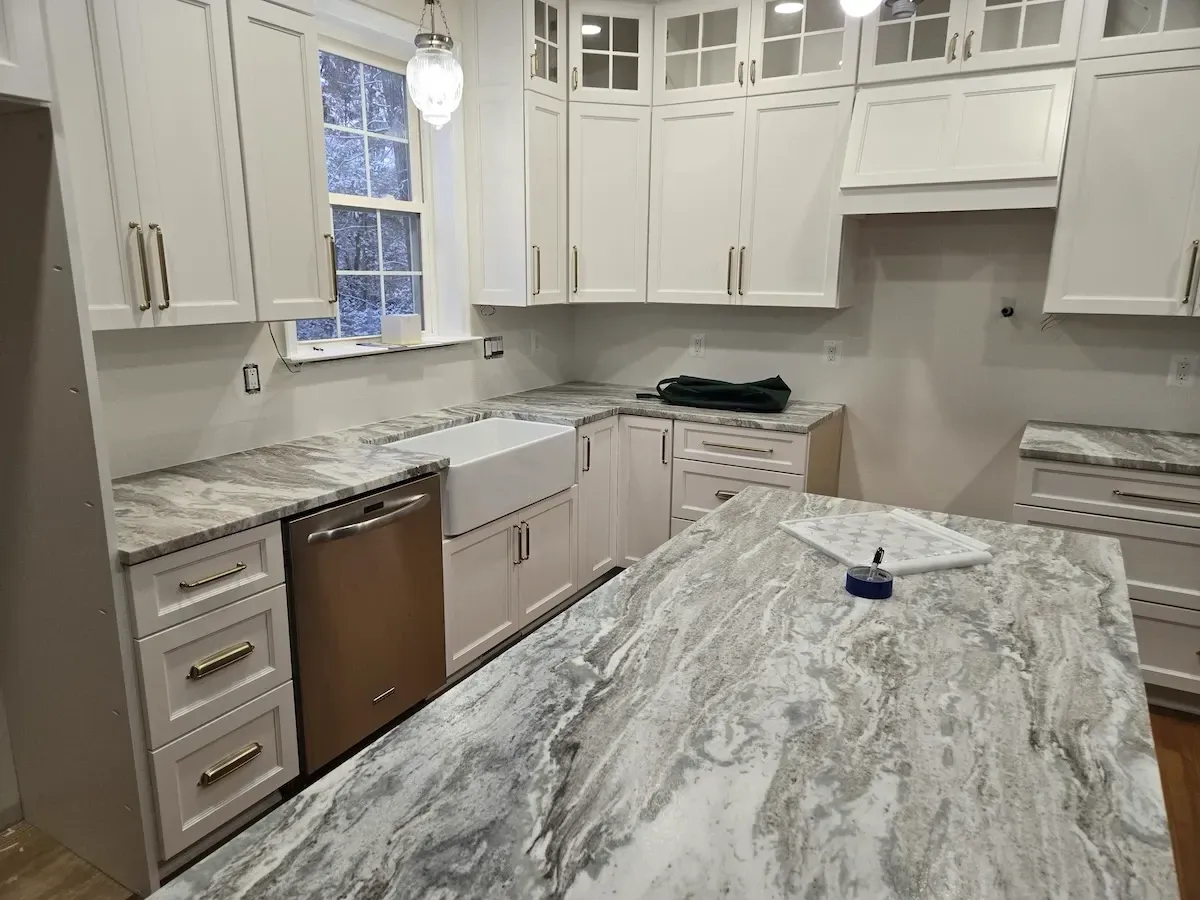
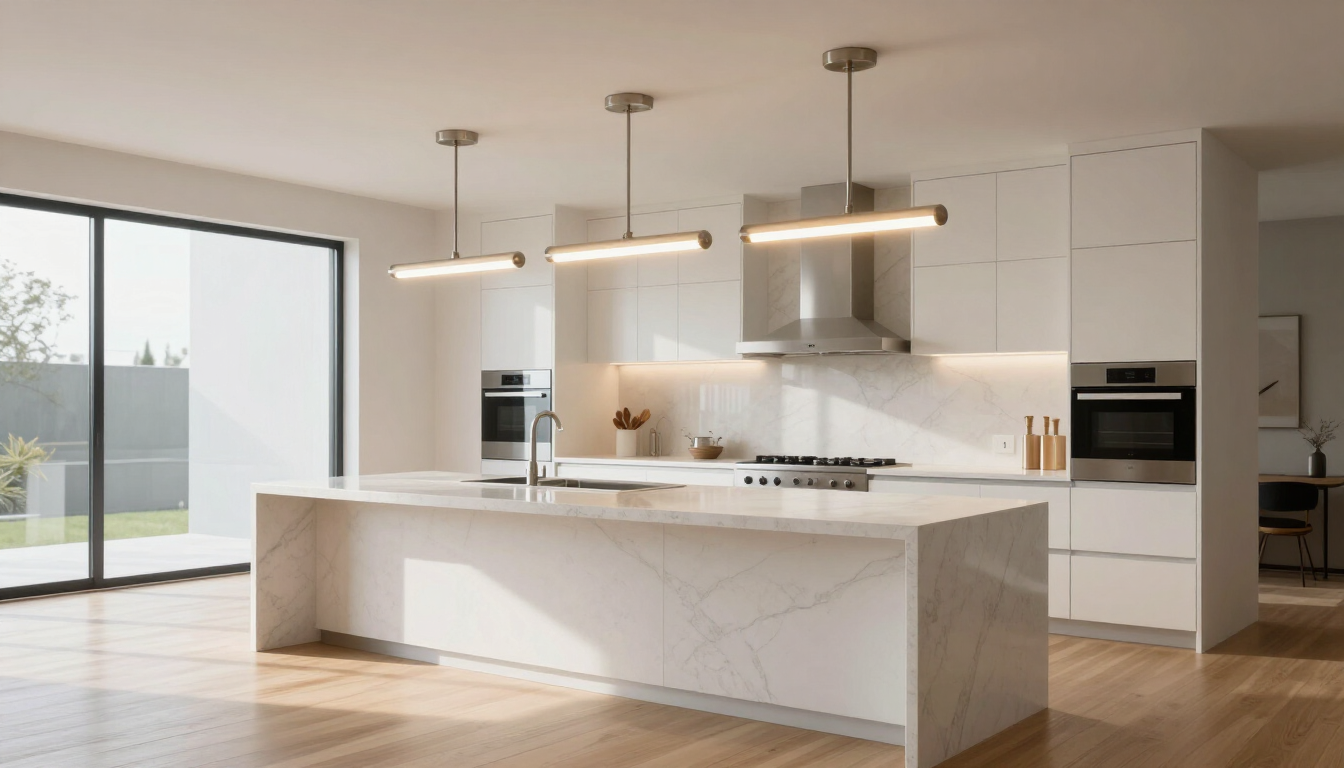
Beyond these lifestyle perks, an open layout allows for larger design elements, such as expansive islands with waterfall countertops or professional-grade ranges that serve as a visual centerpiece. To see how these transformations look in real homes, you can browse our project portfolio .
How Do I Know if a Wall is Load-Bearing?
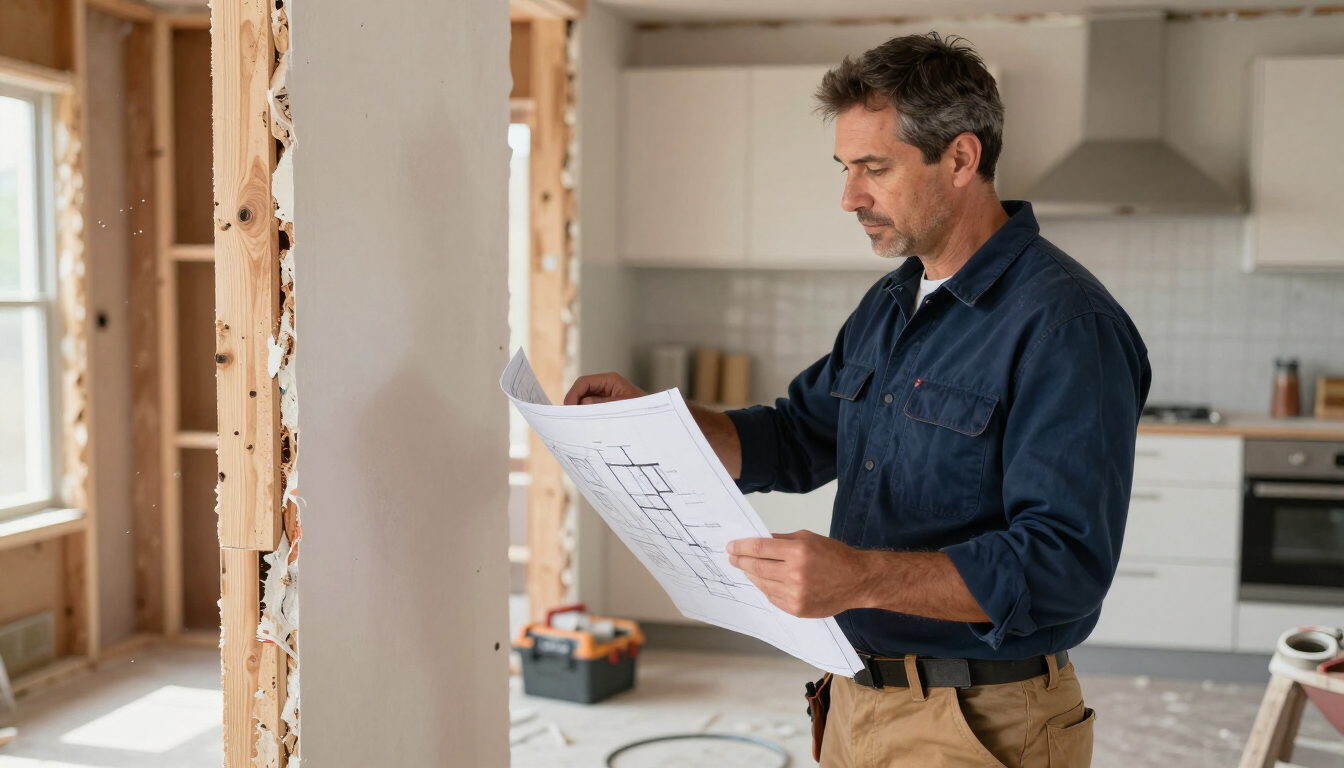
Before you pick up a sledgehammer, the most critical question is whether the wall you intend to remove is load-bearing. A load-bearing wall supports the weight of the structure above it, including the roof, the second floor, or the ceiling joists. Removing one without proper structural reinforcement could lead to sagging ceilings, cracked drywall, or even structural failure.
Identifying a load-bearing wall typically requires a professional eye, but there are some common indicators. Walls that run perpendicular to the floor joists are often load-bearing. Additionally, walls that are positioned directly above other walls in the basement or on the floor below are likely part of the home's structural spine. Exterior walls are almost always load-bearing.
At Broad Creek Kitchens, we always recommend a professional Remodeling Consultation & Design before starting any demolition. Our team works with structural engineers to determine if a wall is carrying a load and what type of support beam—usually a Laminated Veneer Lumber (LVL) or a steel I-beam—will be needed to span the new opening. These beams can often be recessed into the ceiling for a flush, seamless look, or they can be left exposed as an architectural feature.
What Does the Wall Removal Process Look Like?
The process of removing a wall is more than just demolition; it is a surgical procedure for your home. It begins with a thorough inspection of what is hidden inside the wall. Most interior walls house essential utilities, including electrical wiring, plumbing stacks, and HVAC ductwork.
- Preparation and Shoring: If the wall is load-bearing, temporary support walls are built on both sides to hold the weight of the house while the permanent wall is removed.
- Utility Relocation: Electricians and plumbers must reroute any wires or pipes. This is often the most complex part of the job, especially if a main vent stack or heavy-duty wiring is involved.
- Structural Beam Installation: The new support beam is hoisted into place and secured to columns that transfer the weight down to the home's foundation.
- Patching and Finishing: Once the structure is sound, the ceiling and floor must be patched. This usually involves new flooring to ensure there isn't a visible gap where the wall once stood.
This technical phase is why local expertise matters. Understanding the specific building codes in Mechanicsville or Leonardtown ensures that your project is safe and compliant with Southern MD regulations.
Key Factors to Consider Before Tearing Down Walls
While the prospect of an open kitchen is exciting, there are practical considerations that might influence your decision. One often overlooked factor is acoustics. Without walls to dampen the sound, the noise of a running dishwasher or a clanging pot can carry into the living room, potentially disrupting someone watching television or working from home. High-quality, quiet appliances are a common upgrade in open-concept designs.
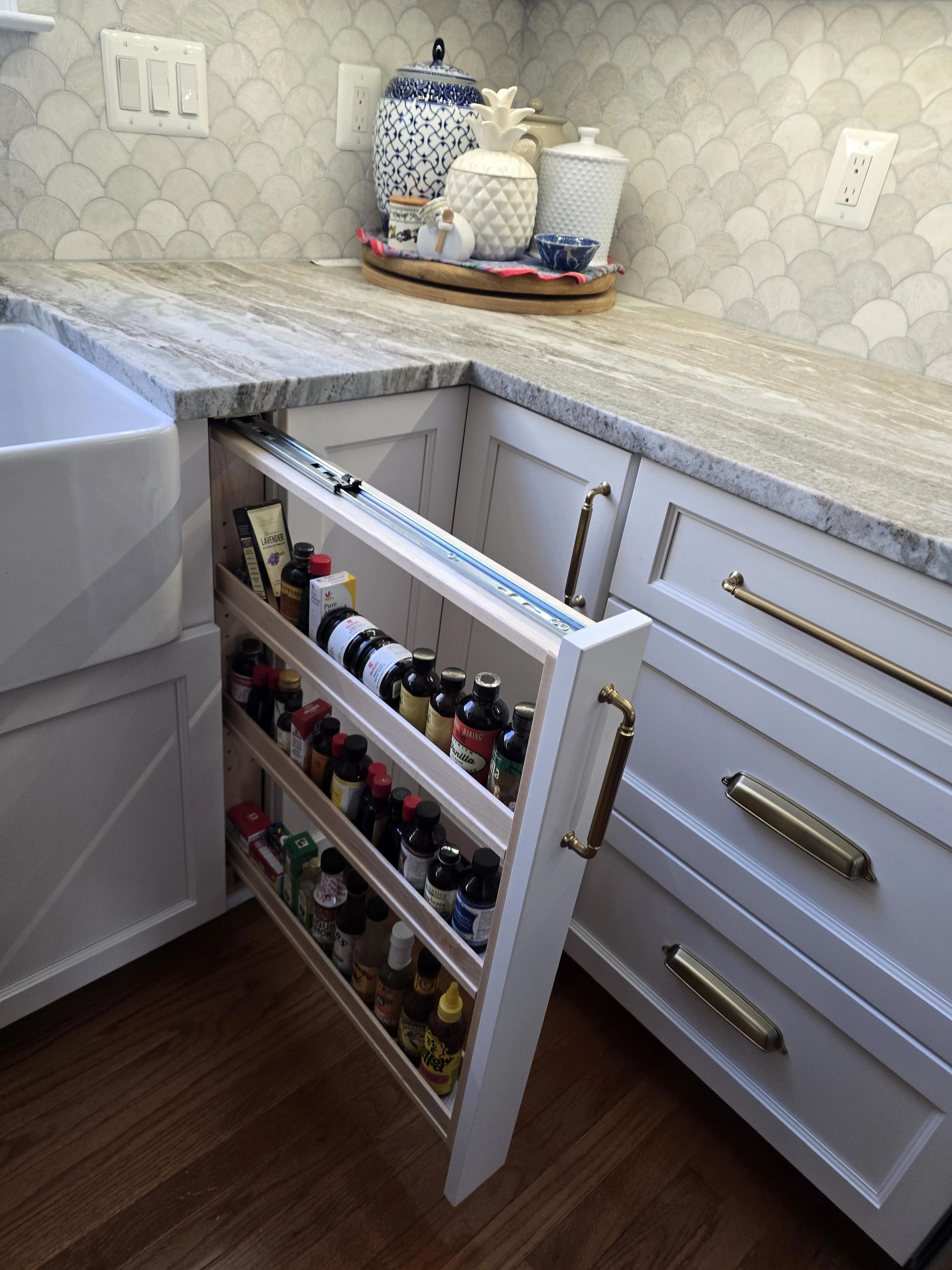
Another factor is the loss of wall space. Removing a wall means you are losing a place to hang cabinets, artwork, or shelving. To compensate, many homeowners opt for custom cabinets that maximize every inch of the remaining wall space or utilize the kitchen island for deep drawer storage and hidden appliances. You also have to consider the "mess factor." In an open-concept home, unwashed dishes on the counter are visible from the front door. If you prefer to hide the cleanup process, a "dirty kitchen" or a butler's pantry might be a necessary addition.
- Flooring Continuity: To make the space feel unified, you’ll likely need to replace the flooring throughout the entire open area.
- HVAC Efficiency: Larger open spaces can be harder to heat and cool evenly; you may need to adjust your ductwork.
- Storage Solutions: Losing a wall means losing upper cabinets, requiring smarter lower-cabinet organization.
- Lighting Zones: You will need a new lighting solution that accounts for the lack of central wall switches.
How Much Does an Open-Concept Remodel Cost in Southern MD?
The cost of removing a wall and creating an open-concept kitchen varies significantly based on whether the wall is load-bearing and what utilities are inside. In Southern Maryland, a non-load-bearing wall removal might cost a few thousand dollars, but a load-bearing wall requiring a steel beam and utility relocation can significantly increase the budget.
Beyond the structural work, you must factor in the cost of finishing the space. When you open a wall, you often commit to a larger project. You aren't just removing a wall; you are often replacing all the flooring in the joined rooms, repainting the entire area, and upgrading the kitchen to match the high-end feel of the living space. Most homeowners find that a project of this scale falls under whole home remodeling because the changes ripple through every adjacent room. We provide a FREE Estimate to help you understand the specific costs for your home’s footprint.
Designing Your New Seamless Living Space
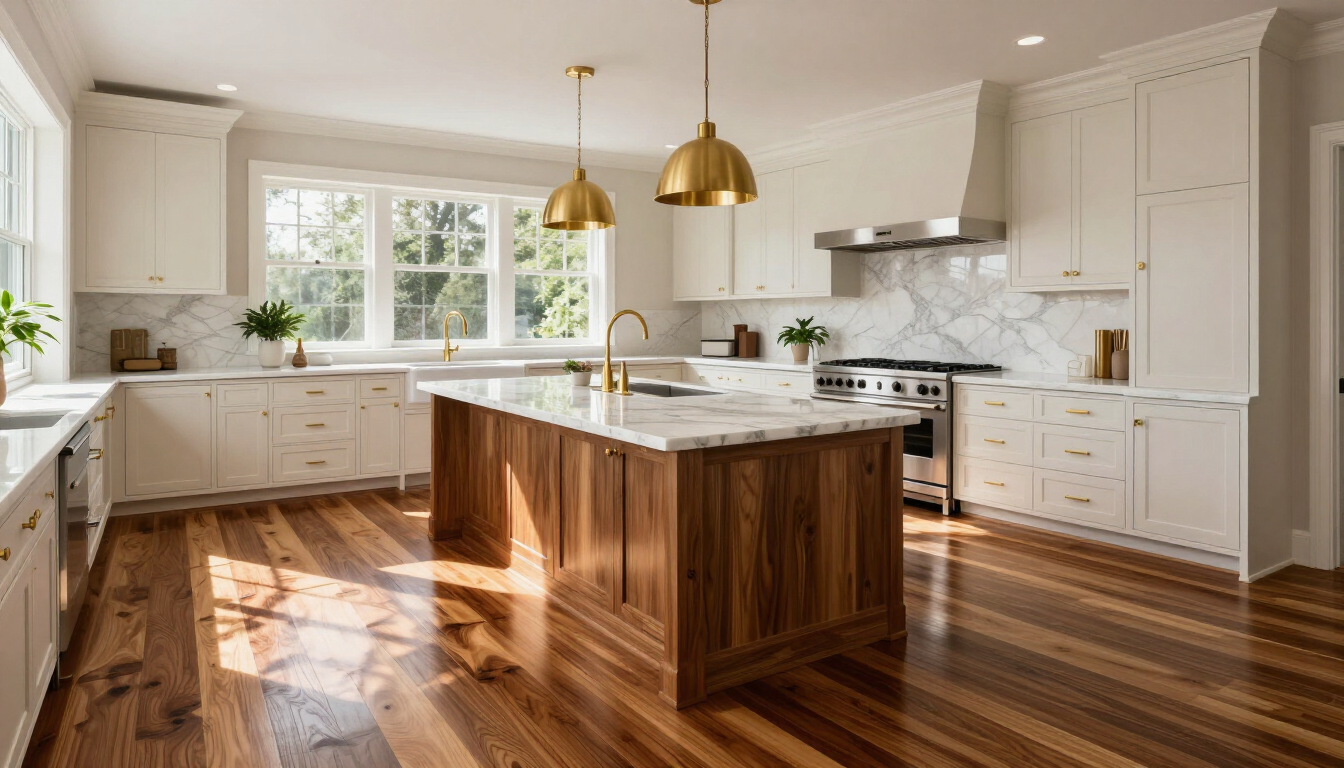
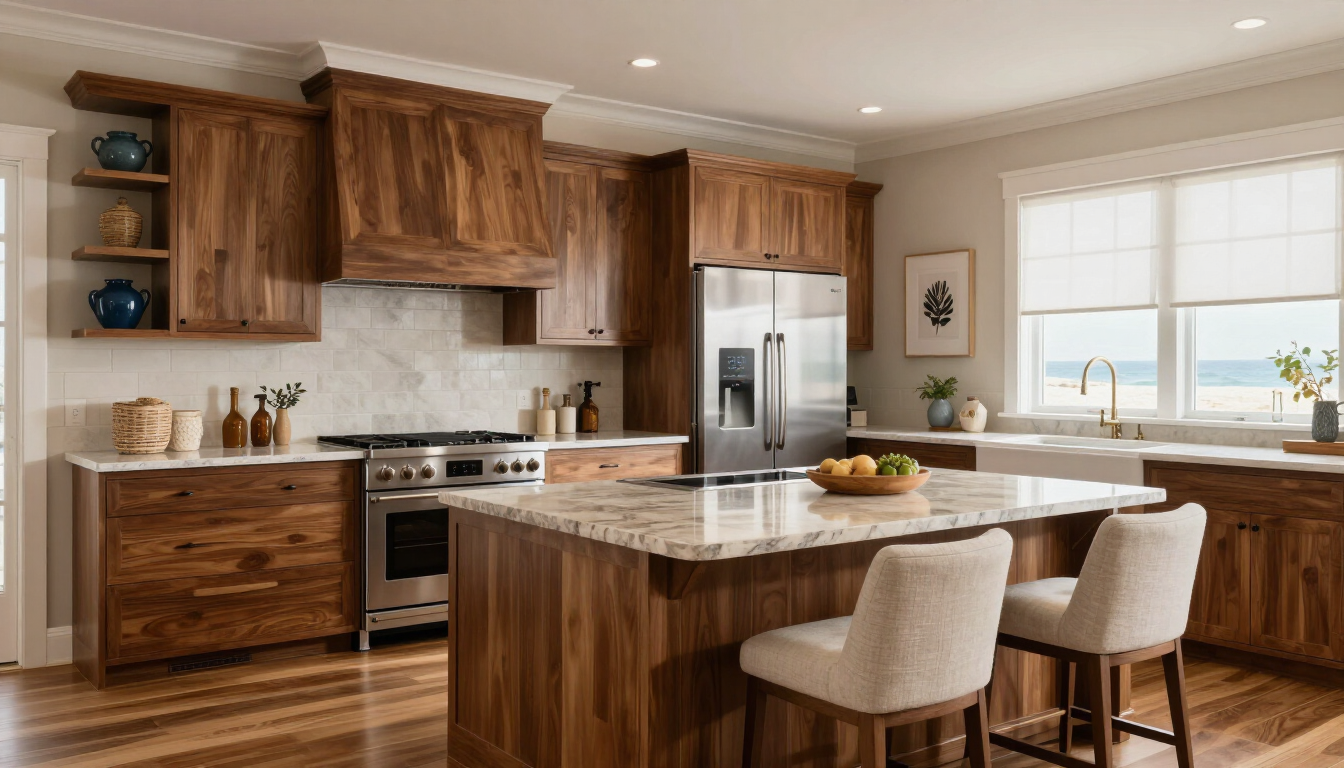
Once the wall is gone, the real fun begins: designing a space that feels cohesive. The goal of an open-concept design is to create a visual flow where the kitchen, dining, and living areas complement one another. This is often achieved through a consistent color palette and material selection. For instance, using the same wood species for your custom cabinetry and your living room built-ins creates a sense of harmony.
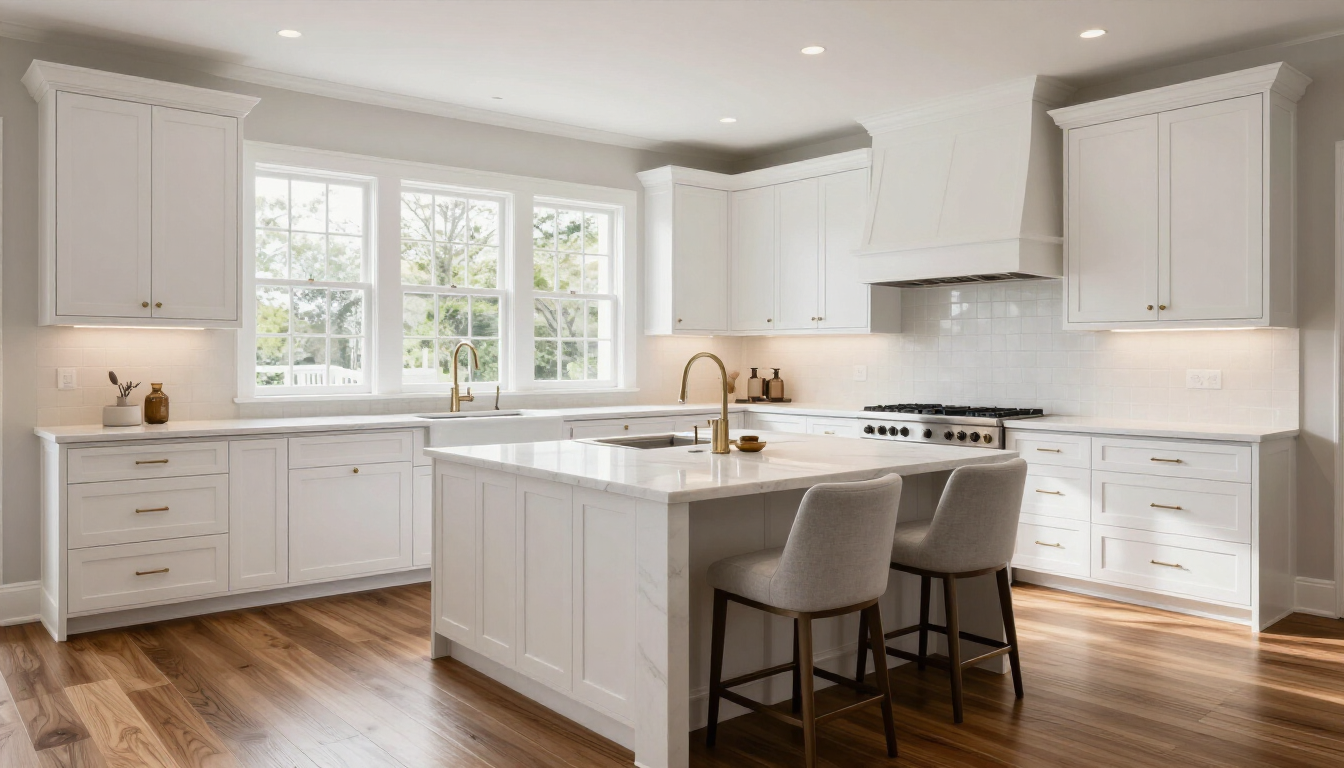
Lighting plays a pivotal role in defining the different zones of a large, open room. While you no longer have walls to separate the spaces, you can use pendant lights over the island to anchor the kitchen and a chandelier over the dining table to define the eating area. Layering your lighting solutions with recessed cans, under-cabinet LEDs, and decorative fixtures ensures the space is functional for both cooking and relaxing.
- Use Large Islands: A kitchen island acts as a soft boundary, providing workspace while directing traffic.
- Consistent Flooring: Running the same hardwood or tile through the entire floor prevents the space from feeling chopped up.
- Coordinated Hardware: Matching cabinet pulls with door handles and lighting finishes ties the rooms together.
In conclusion, removing a wall to create an open-concept kitchen is a significant investment that can fundamentally change how you experience your home. It offers unparalleled light, flow, and social connectivity, making it a hallmark of luxury kitchen trends today. However, it requires careful structural planning and a holistic design approach to ensure the new space is as functional as it is beautiful.
Key Takeaways for Your Open-Concept Project:
- Confirm Structural Status: Always have a professional check for load-bearing walls before demolition.
- Plan for Utilities: Budget for the hidden costs of moving electrical, plumbing, and HVAC lines.
- Prioritize Storage: Offset the loss of wall cabinets with a large island or custom-built pantry.
- Focus on Flow: Use consistent flooring and lighting to unify the newly opened space.
If you're ready to explore the possibilities for your home, contact Broad Creek Kitchens today to start your journey toward a more open, modern living space.