7 Small Bathroom Design Ideas for a Big Impact (2026)
Small bathroom design ideas maximize limited square footage through strategic layout, vertical storage, and visual tricks like large mirrors and light color palettes. By prioritizing functional fixtures and seamless finishes, you can create a luxurious, airy atmosphere that feels significantly larger than its physical footprint and enhances daily comfort.
What are the best small bathroom design ideas for 2026?
As we look ahead to 2026, the best small bathroom design ideas focus on "invisible" luxury and extreme functionality. The trend has shifted away from simply trying to fit everything in, toward creating a curated experience where every element serves two purposes. For homeowners in Southern Maryland, this means integrating high-end materials with smart engineering. One of the most effective ways to achieve this is through the use of floating vanities. By lifting the cabinetry off the floor, you expose more of the flooring, which tricks the eye into perceiving more space. This is a staple in modern bathroom remodeling because it creates a clean, minimalist aesthetic while providing essential storage.
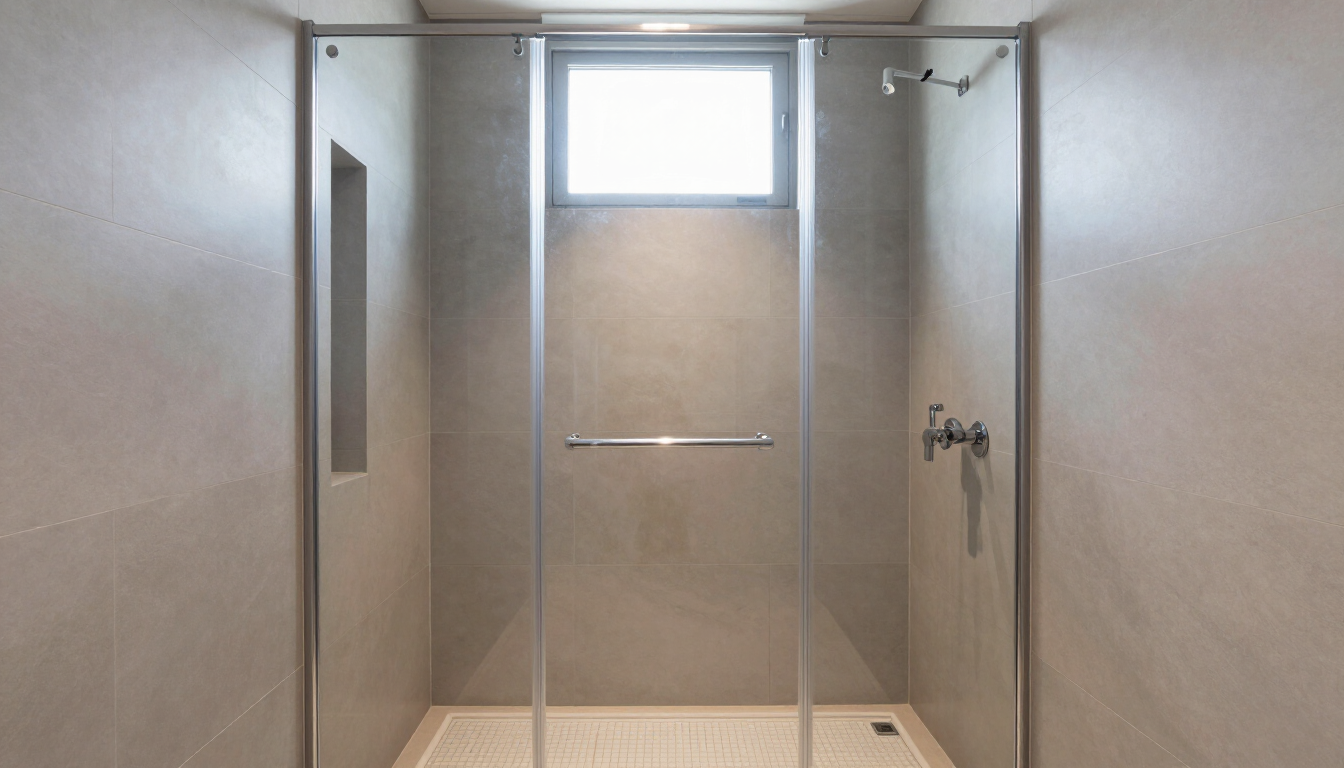
Another top-tier idea for 2026 is the "wet room" concept. Instead of cramping a tiny shower stall and a separate tub into a small room, designers are increasingly creating open-concept bathrooms where the shower area is not walled off by bulky frames. Using a single pane of glass or even a curbless entry allows the room to remain visually unified. This approach not only looks modern but also improves accessibility, a key component of aging in place services that many homeowners are now prioritizing.
To make a significant impact, consider these five design pillars:
- Continuous Flooring: Use the same tile inside and outside the shower to avoid visual breaks.
- Vertical Emphases: Install tile in a vertical stack or herringbone pattern to draw the eye upward.
- Integrated Tech: Use smart mirrors with built-in lighting to save wall space.
- Hidden Plumbing: Wall-mounted toilets and faucets clear up precious surface area.
- Reflective Surfaces: High-gloss finishes and large-scale mirrors bounce light across the room.
By focusing on these elements, you can transform a cramped powder room or a tiny primary bath into a space that feels intentional and expansive. You can see examples of these transitions in our Project Portfolio .
How can I make my compact bathroom feel larger?
Making a compact bathroom feel larger is an exercise in light management and spatial psychology. The most common mistake in small bathroom design is cluttering the visual plane. When the eye encounters multiple different textures, colors, and physical barriers, the brain registers the space as smaller and more chaotic. To counteract this, strive for a "monochromatic" or "low-contrast" color scheme. When the walls, floor, and ceiling are in the same color family, the boundaries of the room seem to recede.
Lighting is your most powerful tool in this endeavor. A single overhead light often creates harsh shadows that make corners feel dark and cramped. Instead, layer your lighting solutions . Combine recessed ceiling lights with wall sconces at eye level and perhaps even LED strip lighting under a floating vanity or behind a mirror. This eliminated shadows and creates a glow that makes the walls feel like they are pushing outward. Natural light is also a premium asset; if you have a window, avoid heavy coverings. Use frosted glass or cafe curtains to maintain privacy while letting the Southern Maryland sunshine flood in.
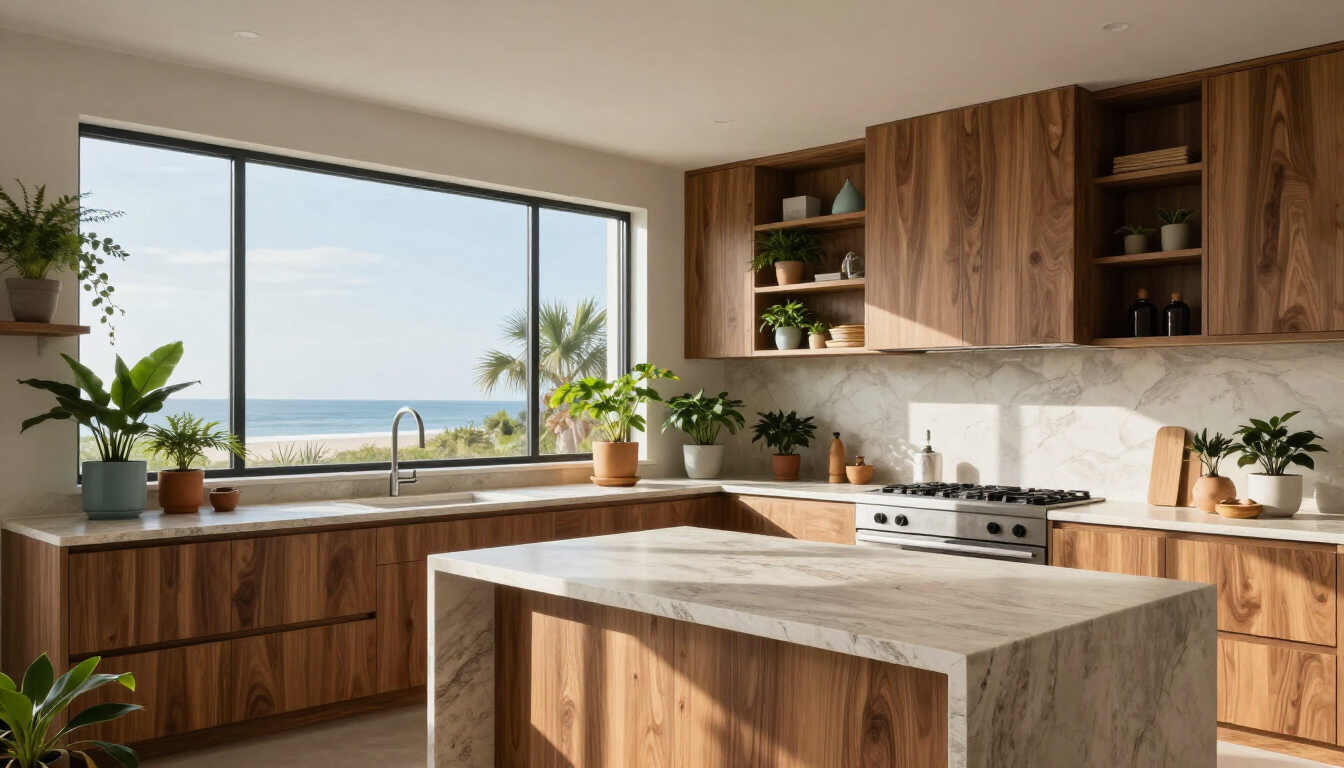
Mirrors are the oldest trick in the book for a reason—they work. However, in 2026, we are moving beyond the standard medicine cabinet. Consider a wall-to-wall mirror that sits flush against the backsplash. This doubles the visual depth of the room instantly. If you are planning a full kitchen remodel or a bathroom update, remember that the same principles of light and reflection apply across the home. Large-format tiles (12x24 or larger) are also beneficial because they require fewer grout lines. Fewer lines mean less visual noise, leading to a smoother, more expansive appearance on both floors and walls.
Smart Storage Solutions for Small Spaces
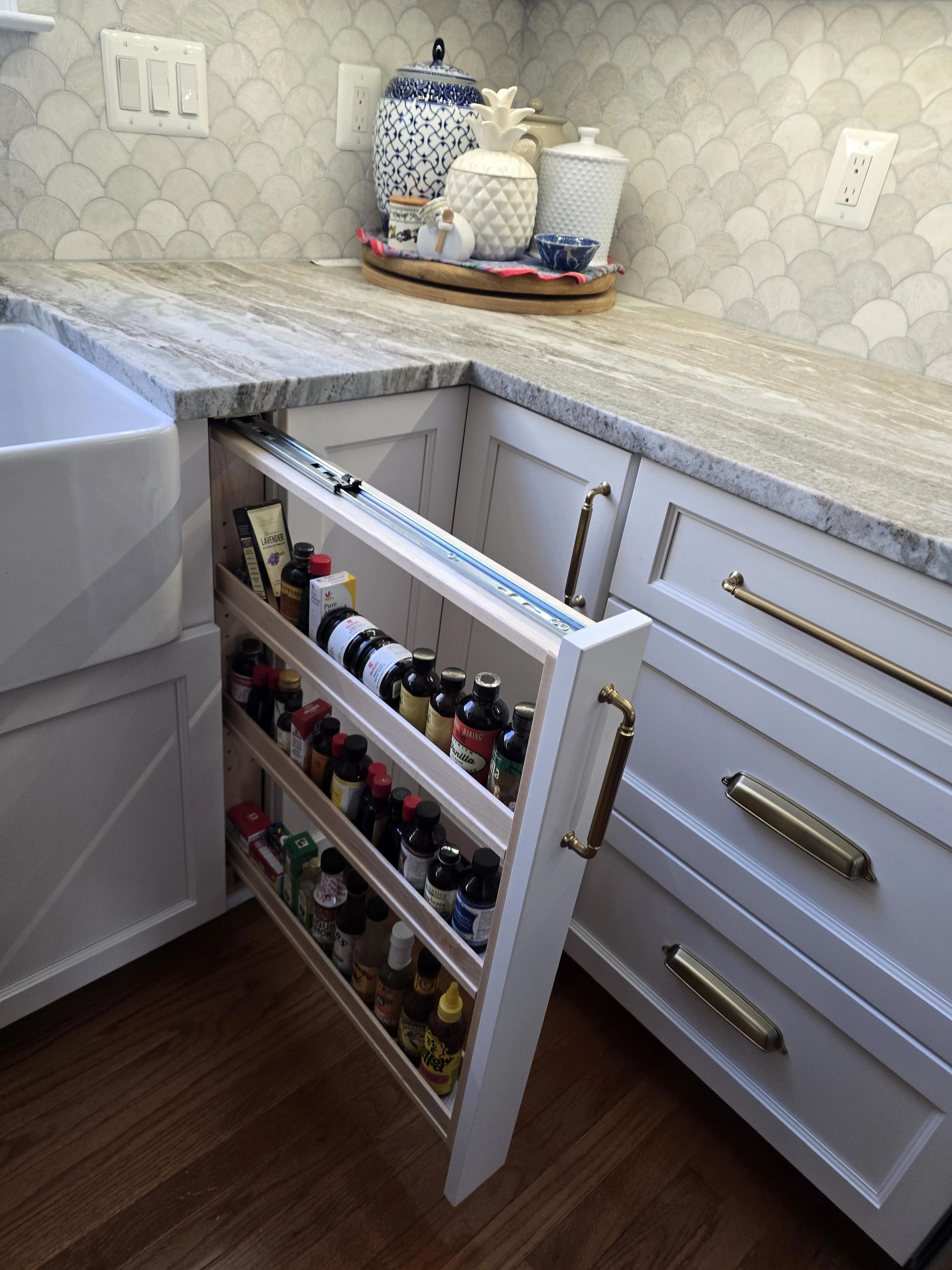
Storage is often the biggest challenge in a compact footprint. Without a place for towels, toiletries, and cleaning supplies, a small bathroom quickly becomes a cluttered mess. The secret to smart storage is looking for "dead space." The area between wall studs is a goldmine for custom cabinets and recessed shelving. By cutting into the wall to create a niche, you gain storage without taking up a single inch of floor space. These niches are perfect for inside the shower to hold shampoos, or above the vanity for daily essentials.
Consider these storage hacks for maximum efficiency:
- Over-the-Door Racks: Utilize the back of the entry door for towel bars or robes.
- Tiered Vanity Drawers: Opt for vanities with U-shaped drawers that wrap around the plumbing.
- Magnetic Strips: Place these inside cabinet doors to hold bobby pins and tweezers.
- Floating Shelves: Install shelves high up near the ceiling to store infrequently used items.
- Ladder Racks: Use a lean-to ladder over the toilet for a stylish, slim-profile towel display.
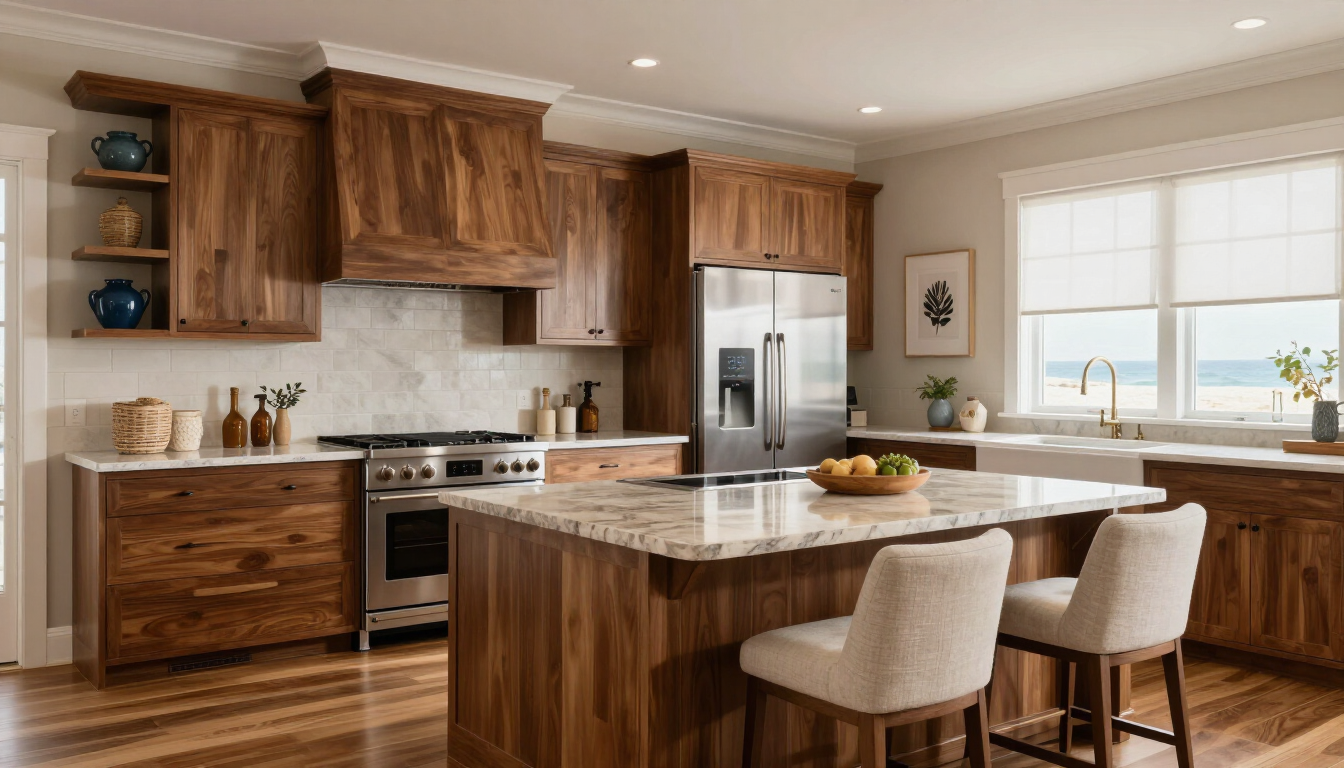
At Broad Creek Kitchens, we often recommend tall, narrow pantry-style cabinets if there is a sliver of unused wall. These "linen towers" provide massive amounts of vertical storage while maintaining a very small footprint. For those in Mechanicsville MD Kitchen Remodeling , these same vertical storage strategies can be applied to narrow kitchen layouts as well. Efficient storage ensures that your beautiful design isn't hidden under a mountain of clutter.
Which colors work best in a tiny bathroom?
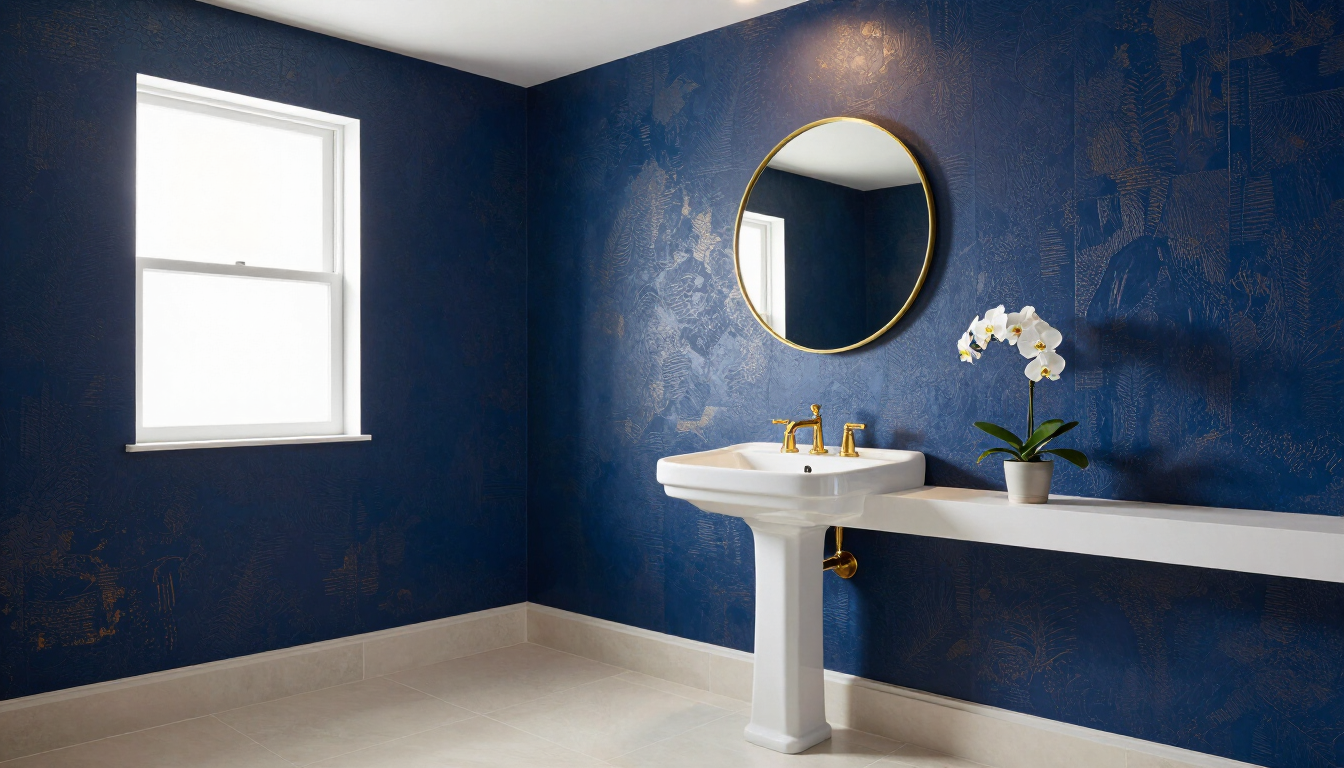
While the conventional wisdom suggests sticking strictly to white, the modern approach to small bathroom design is more nuanced. Light, cool colors like soft grays, pale blues, and airy greens are excellent for making a room feel breathable because they reflect light and have a receding quality. However, don't be afraid of dark colors if you use them correctly. A deep navy or charcoal gray can create a "jewel box" effect, especially in a powder room. When you paint a small room a dark color, the corners disappear, which can actually make the space feel infinite.
If you choose a darker palette, ensure you have excellent lighting and plenty of metallic accents—like brass or chrome fixtures—to provide points of light. Wood tones also play a crucial role in small spaces. A light oak or maple vanity can add warmth and organic texture without weighing the room down. If you are considering new flooring , look for materials that complement your wall color to maintain that seamless look. In Southern Maryland, we see many homeowners opting for soft sand tones and sea-glass greens to reflect the local coastal influence, creating a serene and spacious vibe even in the smallest ensuites.
Choosing the Right Fixtures for Compact Layouts
The scale of your fixtures can make or break a small bathroom. A standard-sized toilet or a bulky pedestal sink can overwhelm a tiny room. Instead, look for "space-saving" or "compact-elongated" models. Wall-mounted toilets are a game-changer; because the tank is hidden inside the wall, you can save up to 10 inches of floor space. Similarly, wall-mounted faucets allow for a narrower vanity, as you don't need the extra inches of countertop behind the sink for the tap hardware.
When it comes to the shower, glass is your best friend. A textured or frosted shower curtain acts like a wall, cutting the room in half. A clear glass enclosure, however, allows your eye to see all the way to the back wall, immediately doubling the perceived square footage. For those looking at Kitchen Remodeling Leonardtown MD , you’ll find that selecting the right scale for appliances is just as vital as selecting fixtures for a bathroom. It is all about maintaining a sense of proportion so that no single element dominates the space.
Maximizing Luxury in Southern MD Compact Bathrooms
Living in Southern Maryland means valuing both tradition and modern comfort. Even if you have a compact bathroom in a historic home or a cozy suburban layout, you don't have to sacrifice luxury. High-end finishes like quartz countertops, heated floors, and designer hardware can be implemented on a smaller scale for a fraction of the cost of a large master suite. Because the square footage is low, you can often afford higher-quality materials that might be out of budget in a larger room.
We serve many Southern MD locations , helping homeowners identify where to splurge and where to save. A small bathroom is the perfect place for a statement tile wall or a high-tech bidet. By focusing on these luxury details, you ensure that your compact space doesn't just feel "efficient," but truly special. Whether it's a guest powder room or a main bath, the impact of thoughtful design is universal.
Summary of Small Bathroom Design Takeaways
Transforming a small bathroom into a high-impact space requires a balance of visual openness and practical storage. By utilizing floating vanities, glass shower enclosures, and strategic lighting, you can overcome the limitations of a compact footprint. Remember that every choice—from the direction of your tile to the scale of your faucet—contributes to the overall feeling of the room.
- Prioritize Floor Space: Use wall-mounted vanities and toilets to keep the floor visible.
- Leverage Light: Mix natural and artificial light to eliminate dark, cramped corners.
- Go Vertical: Use recessed niches and tall cabinets to maximize storage without crowding the room.
- Keep it Seamless: Minimize grout lines and use low-contrast color palettes for a unified look.
If you’re ready to start your transformation, contact us for a FREE Estimate or visit our Bathroom Gallery for more inspiration.